notification

Great News, From June 2025 Mount Kailash is open for individuals holding Indian Passports

14 Days Everest Base Camp Trek Itinerary

 14 Days Everest Base Camp Trek: An Epic Journey in the Heart of the Himalayas

Nestled in the breathtaking expanse of the Himalayas, the Everest Base Camp Trek 14 Days stands as a beacon of adventure and discovery for trekkers worldwide. This iconic journey offers an unparalleled opportunity to immerse oneself in the awe-inspiring beauty of the world’s highest mountain range while experiencing the rich cultural tapestry of the Sherpa people.

Exploring the Origins:

The Everest Base Camp trek traces its origins back to the early 20th century when explorers and mountaineers began venturing into the remote reaches of the Himalayas in pursuit of adventure and conquest. Sir Edmund Hillary and Tenzing Norgay’s historic ascent of Mount Everest in 1953 further fueled the fascination with this majestic peak, inspiring countless adventurers to follow in their footsteps.

The Appeal of the 14-Day Everest Base Camp Trek:

What sets the Everest Base Camp trek apart from other trekking routes is its unique combination of natural beauty, cultural immersion, and unparalleled mountain vistas. Trekkers are drawn to the challenge of traversing rugged terrain, crossing suspension bridges spanning icy rivers, and ascending to dizzying altitudes, all while being rewarded with panoramic views of Everest and its neighboring peaks.

Key Highlights Along the Route:

  1. Namche Bazaar:
    • Bustling Sherpa Capital: Namche Bazaar serves as the bustling heart of the Khumbu region, welcoming trekkers with its vibrant markets, cozy cafes, and lively atmosphere.
    • Cultural Hub: The town is a melting pot of Sherpa and Tibetan cultures, offering visitors the opportunity to explore traditional Sherpa architecture, visit local monasteries, and interact with friendly locals.
    • Acclimatization Stop: Situated at an elevation of 3,440 meters (11,286 feet), Namche Bazaar serves as a crucial acclimatization stop for trekkers, allowing them to adjust to the altitude before continuing their journey deeper into the Himalayas.
  2. Tengboche Monastery:
    • Spiritual Sanctuary: Tengboche Monastery, nestled amidst the towering peaks of the Khumbu region, is one of the most important Buddhist monasteries in the area, offering stunning views of Everest and its surrounding mountains.
    • Cultural Experience: Trekkers visiting Tengboche have the opportunity to witness daily prayers and rituals performed by resident monks, gaining insight into the spiritual traditions of the Sherpa people.
    • Panoramic Views: The monastery’s strategic location provides trekkers with unparalleled panoramic views of Everest, Ama Dablam, and other iconic peaks, making it a must-visit destination along the trek route.
  3. Dingboche and Lobuche:
    • High-Altitude Villages: Dingboche (4,410m/14,469ft) and Lobuche (4,910m/16,109ft) are situated at high altitudes, offering trekkers breathtaking views of the surrounding Himalayan peaks, including Nuptse and Lhotse.
    • Acclimatization and Rest: These villages serve as important acclimatization stops, allowing trekkers to rest and acclimate to the thin mountain air before continuing their ascent towards Everest Base Camp.
    • Sherpa Culture: Visitors to Dingboche and Lobuche have the opportunity to immerse themselves in Sherpa culture, exploring traditional stone houses, visiting local teahouses, and interacting with the friendly inhabitants of these remote mountain settlements.
  4. Gorak Shep and Everest Base Camp:
    • Gateway to Everest: Gorak Shep (5,140m/16,863ft) is the final settlement before reaching Everest Base Camp, serving as a base for trekkers to acclimatize and prepare for the ascent to the iconic base camp.
    • Khumbu Glacier: Gorak Shep is situated amidst the rugged terrain of the Khumbu Glacier, offering trekkers a glimpse into the majestic ice formations and crevasses that characterize this frozen landscape.
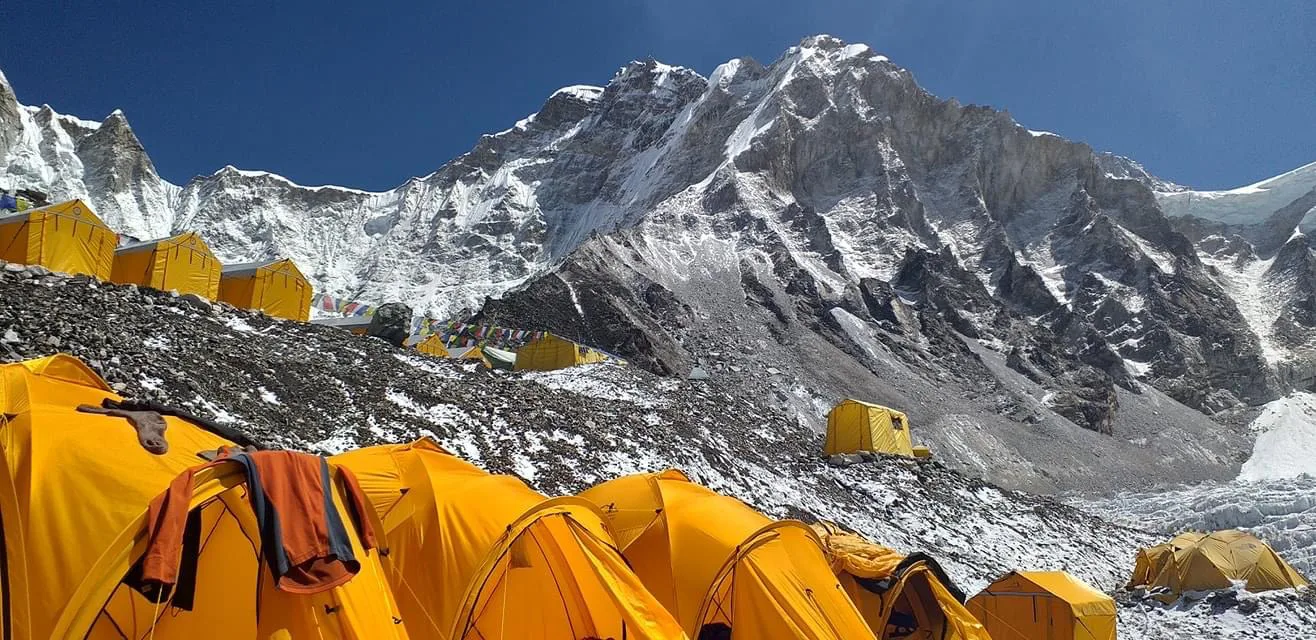
    • Achieving the Dream: The journey culminates in reaching Everest Base Camp (5,364m/17,598ft), where trekkers stand in awe at the foot of the world’s highest mountain. Surrounded by towering peaks and fluttering prayer flags, this legendary site is a testament to the indomitable spirit of human exploration.
  5. Panoramic Views:
    • Spectacular Scenery: Throughout the trek, trekkers are treated to breathtaking panoramic views of some of the world’s highest peaks, including Everest, Lhotse, Nuptse, and Ama Dablam.
    • Photographic Opportunities: The trek route offers countless opportunities for photography, with each turn revealing new vistas of snow-capped mountains, turquoise glacial lakes, and verdant valleys dotted with colorful prayer flags.
    • Sunrise at Kala Patthar: A highlight for many trekkers is the sunrise ascent of Kala Patthar (5,545m/18,192ft), a nearby viewpoint that offers unrivaled views of Everest bathed in the golden light of dawn.
  6. Sherpa Culture and Hospitality:
    • Warm Welcome: Throughout the trek, trekkers are welcomed with open arms by the Sherpa people, renowned for their hospitality and kindness towards visitors.
    • Cultural Immersion: Trekkers have the opportunity to immerse themselves in Sherpa culture, participating in traditional ceremonies, sampling local cuisine, and learning about the customs and traditions of the indigenous mountain communities.
    • Teahouse Experience: Accommodation along the trek route is provided by traditional teahouses, where trekkers can enjoy hearty meals, cozy accommodations, and warm hospitality after a day of trekking.
  7. Flora and Fauna:
    • Biodiversity: Despite the harsh conditions of the Himalayan environment, the Khumbu region is home to a surprising variety of flora and fauna, including rhododendron forests, alpine meadows, and elusive wildlife such as snow leopards, Himalayan tahrs, and musk deer.
    • Birdwatching: Birdwatchers will delight in the opportunity to spot a wide range of Himalayan bird species, including colorful pheasants, majestic eagles, and elusive Himalayan monals.
  8. Cultural Experiences:
    • Monastic Life: Along the trek route, trekkers have the opportunity to visit ancient Buddhist monasteries, where they can witness monks performing religious ceremonies and gain insight into the spiritual traditions of the region.
    • Traditional Festivals: Depending on the timing of their trek, visitors may have the chance to participate in traditional Sherpa festivals and celebrations, such as Mani Rimdu, a colorful Buddhist festival held annually at Tengboche Monastery.

Best Time to Trek to Everest Base Camp:

The Everest Base Camp trek is a remarkable journey that offers trekkers the chance to experience the majestic Himalayas and stand in awe of the world’s tallest peak, Mount Everest. Choosing the right time to undertake this adventure is crucial for maximizing enjoyment and minimizing risks. The best time to trek to Everest Base Camp depends on several factors, including weather, visibility, and trail conditions. The two primary trekking seasons for Everest Base Camp are:

  1. Pre-Monsoon Season (Spring):
    • Timing: March to May
    • Weather: Spring brings mild temperatures and stable weather conditions to the Everest region. Days are generally sunny and clear, with minimal precipitation and relatively low wind speeds.
    • Temperature: Daytime temperatures range from 10°C to 20°C (50°F to 68°F) in lower elevations and may drop to below freezing at higher altitudes. Nights are colder, with temperatures dipping below freezing.
    • Visibility: The clear skies of spring offer excellent visibility of the surrounding mountain peaks, making it an ideal time for photography and enjoying panoramic views.
    • Flora and Fauna: Springtime brings the awakening of the Himalayan landscape, with rhododendrons in bloom, lush greenery, and abundant wildlife.
  2. Post-Monsoon Season (Autumn):
    • Timing: September to November
    • Weather: Autumn is considered the best time to trek to Everest Base Camp, offering crisp, clear days and stable weather conditions. The monsoon rains have subsided, leaving behind fresh air and pristine views.
    • Temperature: Daytime temperatures range from 10°C to 15°C (50°F to 59°F) in lower elevations, while higher altitudes may experience temperatures below freezing. Nights are colder, with temperatures dropping significantly.
    • Visibility: The dry, clear skies of autumn provide exceptional visibility of the Himalayan peaks, including Everest, Lhotse, and Ama Dablam, making it an ideal time for trekking and mountain viewing.
    • Trail Conditions: The trails are well-defined and dry during the autumn season, making trekking more comfortable and enjoyable. River crossings are generally easier, and there is minimal risk of landslides or washouts.

Factors to Consider:

  • Altitude: Regardless of the season, trekkers must be prepared for high altitude and the associated risks of altitude sickness. Proper acclimatization, hydration, and awareness of symptoms are essential.
  • Crowds: Both the spring and autumn seasons are popular times for trekking to Everest Base Camp, so expect moderate to high numbers of trekkers on the trail, especially during peak months like April and October.
  • Weather Variability: While spring and autumn offer the best weather conditions for trekking, weather in the Himalayas can be unpredictable. Be prepared for sudden changes in weather, including snowstorms, high winds, and temperature fluctuations.
  • Personal Preferences: Consider your personal preferences and priorities when choosing the best time to trek. Some trekkers prefer the vibrant colors of spring, while others enjoy the clear skies and cooler temperatures of autumn.

Challenges and Considerations:

While the Everest Base Camp trek offers a once-in-a-lifetime adventure, it is not without its challenges and considerations. Trekkers must be prepared for:

  • Altitude: The high altitude of the Himalayas presents a significant challenge, with trekkers ascending to elevations exceeding 5,000 meters (16,400 feet). Acclimatization is essential to prevent altitude sickness and ensure a safe journey.
  • Physical Fitness: The trek requires a good level of physical fitness, as trekkers can expect long days of hiking over rugged terrain and steep ascents. Cardiovascular endurance and strength training are recommended to prepare for the rigors of the trek.
  • Weather: The weather in the Himalayas can be unpredictable, with conditions ranging from clear skies to snowstorms. Trekkers should be prepared for sudden changes in weather and pack accordingly with appropriate clothing and gear.
  • Altitude Sickness: Acclimatization is paramount to mitigate the risks of Acute Mountain Sickness (AMS). Slow ascent, hydration, and recognizing AMS symptoms are vital.
  • Permits: Securing permits like the Sagarmatha National Park Entry Permit and TIMS Card is mandatory, ensuring compliance with conservation regulations.
  • Guide and Porter: Hiring experienced guides and porters enhances safety and eases logistical challenges, enabling trekkers to focus on the journey.

Cost of Everest Base Camp Trek -14 Days:

  1. Permits:
    • Sagarmatha National Park Entry Permit: Required for all trekkers entering the Sagarmatha National Park, where Mount Everest is located.
    • TIMS (Trekkers’ Information Management System) Card: Mandatory for all trekkers in Nepal to ensure safety and security.
    • Cost: The combined cost of these permits typically ranges from $40 to $60 USD per person.
  2. Transportation:
    • Flight to Lukla: The trek usually starts with a scenic flight from Kathmandu to Lukla, the gateway to the Everest region.
    • Cost: The round-trip flight from Kathmandu to Lukla costs approximately $320 to $350 USD per person, depending on the airline and season.
  3. Accommodation:
    • Teahouse Lodges: Along the trekking route, accommodation is provided in traditional teahouse lodges, which offer basic yet comfortable rooms with shared facilities.
    • Cost: The average cost of accommodation in teahouses ranges from $5 to $20 USD per night, depending on the season and location. Higher altitudes may have slightly higher prices.
  4. Meals:
    • Three Meals a Day: Trekkers typically enjoy three meals a day (breakfast, lunch, and dinner) at teahouse lodges or local eateries along the route.
    • Cost: The average cost of meals ranges from $5 to $15 USD per meal, depending on the menu items and location. Prices may be higher at higher altitudes due to transportation costs.
  5. Guide and Porter:
    • Guide: Hiring a licensed trekking guide is optional but highly recommended, especially for first-time trekkers or those unfamiliar with the region. Guides provide valuable insight, navigation assistance, and safety support.
    • Porter: Many trekkers opt to hire porters to carry their heavy backpacks, allowing them to trek more comfortably and enjoy the journey without the burden of a heavy load.
    • Cost: The daily cost of hiring a guide ranges from $20 to $40 USD, while porters typically charge $15 to $25 USD per day. Trekkers are also responsible for their guides and porters’ accommodation and meals.
  6. Additional Expenses:
    • Equipment Rental: Trekkers may need to rent or purchase additional trekking gear and equipment such as sleeping bags, trekking poles, and down jackets.
    • Medical and Travel Insurance: It’s essential to have comprehensive medical and travel insurance that covers emergency evacuation and medical expenses in case of illness or injury during the trek.
    • Tipping: It’s customary to tip guides and porters as a gesture of appreciation for their hard work and assistance during the trek. The recommended tipping amount varies but is typically around 10% of the total trek cost.

Total Cost:

  • The total cost of the Everest Base Camp trek can vary depending on factors such as the trekking season, level of comfort desired, and additional services opted for. On average, trekkers can expect to spend approximately $1000 to $2000 USD per person for a 14-day trek, including all necessary permits, transportation, accommodation, meals, and guide/porter services. This detailed breakdown provides a comprehensive overview of the cost of the Everest Base Camp trek, allowing trekkers to budget and plan accordingly for their adventure in the Himalayas.

Map, Route of Everest Base Camp Trek – 14 Days

Day 1: Kathmandu to Lukla (2,860m/9,383ft) to Phakding (2,610m/8,563ft)

  • Kathmandu (1,400m/4,593ft)
  • Lukla (2,860m/9,383ft): Start of Trek
  • Phakding (2,610m/8,563ft)
  • Distance: Approximately 9 kilometers (5.6 miles)
  • Time: 3-4 hours trekking

Day 2: Phakding to Namche Bazaar (3,440m/11,286ft)

  • Monjo (2,835m/9,301ft)
  • Namche Bazaar (3,440m/11,286ft)
  • Distance: Approximately 10 kilometers (6.2 miles)
  • Time: 5-6 hours trekking

Day 3: Acclimatization Day in Namche Bazaar

  • Explore Namche Bazaar
  • Hike to Everest View Hotel for acclimatization
  • Optional activities: Visit Sherpa Museum, Khumjung Village

Day 4: Namche Bazaar to Tengboche (3,860m/12,664ft)

  • Phunki Tenga (3,250m/10,662ft)
  • Tengboche (3,860m/12,664ft)
  • Distance: Approximately 10 kilometers (6.2 miles)
  • Time: 5-6 hours trekking

Day 5: Tengboche to Dingboche (4,410m/14,469ft)

  • Pangboche (3,930m/12,894ft)
  • Dingboche (4,410m/14,469ft)
  • Distance: Approximately 11 kilometers (6.8 miles)
  • Time: 5-6 hours trekking

Day 6: Acclimatization Day in Dingboche

  • Explore Dingboche
  • Hike to Nagarjun Hill for acclimatization
  • Optional activities: Visit Dingboche Monastery, enjoy panoramic views of Ama Dablam

Day 7: Dingboche to Lobuche (4,910m/16,109ft)

  • Dughla (4,620m/15,157ft)
  • Lobuche (4,910m/16,109ft)
  • Distance: Approximately 11 kilometers (6.8 miles)
  • Time: 5-6 hours trekking

Day 8: Lobuche to Gorak Shep (5,140m/16,863ft) to Everest Base Camp (5,364m/17,598ft) and back to Gorak Shep

  • Gorak Shep (5,140m/16,863ft)
  • Everest Base Camp (5,364m/17,598ft)
  • Gorak Shep (5,140m/16,863ft)
  • Distance: Approximately 15 kilometers round trip (9.3 miles)
  • Time: 7-8 hours trekking

Day 9: Gorak Shep to Kala Patthar (5,545m/18,192ft) to Pheriche (4,240m/13,911ft)

  • Kala Patthar (5,545m/18,192ft)
  • Pheriche (4,240m/13,911ft)
  • Distance: Approximately 14 kilometers (8.7 miles)
  • Time: 6-7 hours trekking

Day 10: Pheriche to Namche Bazaar

  • Pangboche (3,930m/12,894ft)
  • Namche Bazaar (3,440m/11,286ft)
  • Distance: Approximately 20 kilometers (12.4 miles)
  • Time: 7-8 hours trekking

Day 11: Namche Bazaar to Lukla

  • Monjo (2,835m/9,301ft)
  • Lukla (2,860m/9,383ft)
  • Distance: Approximately 20 kilometers (12.4 miles)
  • Time: 7-8 hours trekking

Day 12: Fly from Lukla to Kathmandu

  • Lukla Airport (2,860m/9,383ft)
  • Kathmandu (1,400m/4,593ft)
  • Flight Duration: Approximately 30 minutes

Day 13: Reserve Day (Contingency for Weather or Acclimatization)

  • Rest day or exploration in Kathmandu

Day 14: Departure from Kathmandu

Conclusion:

The 14-day Everest Base Camp trek is a journey of a lifetime that immerses trekkers in the awe-inspiring beauty of the Himalayas and the rich cultural heritage of the Sherpa people. Over the course of two weeks, adventurers embark on an epic odyssey through rugged terrain, ancient monasteries, and picturesque villages, culminating in the iconic base camp of the world’s highest peak, Mount Everest.

Achievement and Adventure: Completing the Everest Base Camp trek is a testament to the indomitable spirit of human exploration and endurance. Trekkers push their physical and mental limits as they ascend to dizzying altitudes, cross suspension bridges spanning icy rivers, and navigate challenging terrain. With each step, they inch closer to their ultimate goal: standing at the foot of Everest and witnessing its towering summit piercing the sky.

Natural Splendor: Throughout the trek, trekkers are treated to breathtaking vistas of snow-capped peaks, pristine glaciers, and verdant valleys. The ever-changing landscape unfolds before their eyes, revealing the raw beauty and majesty of the Himalayas in all its glory. From the vibrant rhododendron forests of spring to the golden hues of autumn, each season offers a unique perspective on this spectacular wilderness.

Cultural Immersion: The Everest Base Camp trek is not just about the destination; it’s also about the journey and the people encountered along the way. Trekkers have the opportunity to immerse themselves in Sherpa culture, learning about traditional customs, visiting ancient monasteries, and forging connections with the friendly inhabitants of remote mountain villages. Each encounter is a reminder of the warmth and hospitality that define the Sherpa way of life.

Personal Growth: Beyond the physical challenges and natural beauty, the Everest Base Camp trek is a journey of personal growth and self-discovery. Trekkers confront their fears, push through obstacles, and emerge stronger, more resilient individuals. The sense of accomplishment that comes with reaching Everest Base Camp is unparalleled, instilling a newfound confidence and appreciation for the wonders of the natural world.

Memories and Reflections: As trekkers bid farewell to the towering peaks of the Himalayas and descend back to civilization, they carry with them memories that will last a lifetime. The laughter shared around the teahouse fireplace, the camaraderie forged on the trail, and the sense of awe inspired by the majestic mountains—all serve as reminders of the transformative power of adventure and exploration.

Looking Ahead: While the 14-day Everest Base Camp trek may come to an end, the memories and experiences gained along the way endure forever. For many trekkers, this epic journey is just the beginning of a lifelong love affair with the mountains. Whether they return to the Himalayas or seek out new adventures around the world, the spirit of adventure ignited on the Everest Base Camp trek lives on, inspiring new dreams and aspirations.

In conclusion, the 14-day Everest Base Camp trek is an unforgettable adventure that challenges, inspires, and transforms those who undertake it. As trekkers gaze upon the towering peaks of Everest and reflect on their journey, they are reminded of the boundless beauty and endless possibilities that await in the mountains. This conclusion summarizes the profound impact and lasting memories of the 14-day Everest Base Camp trek, capturing the essence of the adventure and the transformative experience it offers.
Everest Base Camp Trek 14 Days Itinerary

Everest Base Camp Trek 14 Days

The Everest Base Camp trek is one of the most famous trekking routes in the world, leading adventurers to the base of the highest mountain on Earth, Mount Everest. This trek offers an unparalleled opportunity to explore the stunning landscapes of the Himalayas, experience the rich Sherpa culture, and witness breathtaking views of some of the world’s highest peaks.

Everest Base Camp Trek 14 Days Itinerary:

Day 1: Arrival at Kathmandu Airport. Upon arrival at Tribhuvan International Airport in Kathmandu, you will be greeted by a representative who will transfer you to your hotel. Spend the rest of the day exploring the vibrant city of Kathmandu, visiting places like Thamel, Durbar Square, and Swayambhunath (Monkey Temple).

Day 2: Fly from Kathmandu to Lukla (2860m) and Trek to Phakding (2610m). Start the day with an early morning flight to Lukla, which takes about 30 minutes and offers breathtaking views of the Himalayas. Upon arrival in Lukla, you will meet your trekking crew and begin your trek. The trail descends through the Dudh Koshi valley to Phakding. (Trek duration: 3-4 hours)

Day 3: Trek from Phakding to Namche Bazaar (3446m) Today’s trek involves crossing several suspension bridges over the Dudh Koshi River and passing through small villages like Monjo and Jorsale. Enter Sagarmatha National Park and undertake a steep ascent to reach Namche Bazaar, the bustling Sherpa town. (Trek duration: 6-7 hours)

Day 4: Acclimatization Day in Namche Bazaar. Acclimatization is crucial at this altitude. Spend the day exploring Namche Bazaar. Take an acclimatization hike to the Everest View Hotel, offering stunning views of Everest, Lhotse, and Ama Dablam. Visit the Sherpa Culture Museum and Khumjung village.

Day 5: Trek from Namche Bazaar to Tengboche (3860m) The trek to Tengboche is filled with scenic views of Everest, Nuptse, Lhotse, Ama Dablam, and Thamserku. After a gentle descent, cross the Dudh Koshi River and ascend through rhododendron forests to Tengboche, home to the famous Tengboche Monastery. (Trek duration: 5-6 hours)

Day 6: Trek from Tengboche to Dingboche (4360m). Descend through lush forests and cross the Imja Khola before climbing up to Pangboche village. Continue to Dingboche, a village with stunning views of Ama Dablam. (Trek duration: 5-6 hours)

Day 7: Acclimatization Day in Dingboche. Spend the day acclimatizing in Dingboche. A popular hike is to the Nagarjun Hill (5,100m), which offers spectacular views of Makalu, Lhotse, and Cho Oyu. Return to Dingboche and rest.

Day 8: Trek from Dingboche to Lobuche (4910m). Follow the trail through a high alpine region, passing Dughla (Thukla) and ascending the steep terminal moraine of the Khumbu Glacier. Pass the memorials for climbers who perished on Everest before reaching Lobuche. (Trek duration: 5-6 hours)

Day 9: Trek from Lobuche to Gorakshep (5160m) and Everest Base Camp (5360m). Trek along the lateral moraine of the Khumbu Glacier to Gorakshep, the last stop before Everest Base Camp. After a brief rest, continue to Everest Base Camp. Enjoy the magnificent views of the Khumbu Icefall and surrounding peaks before returning to Gorakshep. (Trek duration: 6-7 hours)

Day 10: Trek from Gorakshep to Kala Patthar (5545m) and Pheriche (4371m). Start early to climb Kala Patthar, the highest point of the trek, offering panoramic views of Everest, Nuptse, and the surrounding peaks. Descend to Pheriche for the night. (Trek duration: 4-5 hours)

Day 11: Trek from Pheriche to Namche Bazaar. Retrace your steps back to Namche Bazaar. The trail is mostly downhill but includes some undulating sections. (Trek duration: 6-7 hours)

Day 12: Trek from Namche Bazaar to Lukla. Descend back to Lukla, reflecting on the incredible journey and celebrating with your trekking team. (Trek duration: 5-6 hours)

Day 13: Fly from Lukla to Kathmandu. Catch an early morning flight back to Kathmandu. Transfer to your hotel and enjoy the rest of the day at leisure, exploring more of Kathmandu or shopping for souvenirs.

Day 14: Departure to Airport Transfer to the airport for your departure flight, marking the end of your unforgettable Everest Base Camp trek.

EBC Trekking Difficulty

The Everest Base Camp trek is considered moderately difficult. It involves daily trekking of 5-7 hours on rugged and uneven terrain with significant altitude gain. Altitude sickness is a common challenge, and proper acclimatization days are essential to mitigate its effects. Physical fitness, endurance, and mental preparedness are crucial for a successful trek.

EBC Trekking Map and Route

A trekking map is vital for navigation. The EBC trek route includes:

  1. Kathmandu to Lukla (Flight)
  2. Lukla to Phakding
  3. Phakding to Namche Bazaar
  4. Namche Bazaar to Tengboche
  5. Tengboche to Dingboche
  6. Dingboche to Lobuche
  7. Lobuche to Gorakshep and Everest Base Camp
  8. Gorakshep to Kala Patthar and Pheriche
  9. Pheriche to Namche Bazaar
  10. Namche Bazaar to Lukla
  11. Lukla to Kathmandu (Flight)

Best Season for EBC Trek

The best seasons for the Everest Base Camp trek are:

  • Spring (March to May): Blooming rhododendrons and stable weather.
  • Autumn (September to November): Clear skies and optimal trekking conditions.

These seasons offer the best weather, visibility, and overall trekking experience.

Trekking Gears Required

Essential trekking gear includes:

  • Footwear: Sturdy trekking boots, trekking socks
  • Clothing: Moisture-wicking base layers, insulating layers, waterproof jacket and pants, down jacket, gloves, hat, and thermal wear
  • Accessories: Sunglasses, sunhat, headlamp, trekking poles
  • Backpack: A daypack for personal items, hydration system
  • Sleeping: Sleeping bag (rated for -10°C to -15°C), sleeping bag liner
  • Other: First aid kit, personal hygiene items, water purification tablets, snacks, and energy bars

Experience Required

While previous trekking experience is beneficial, it is not mandatory for the Everest Base Camp trek. However, trekkers should have:

  • Good physical fitness
  • Endurance to walk for long hours
  • Mental preparedness
  • Cardiovascular conditioning
  • Leg strength training
  • Altitude acclimatization knowledge

Accommodation in Teahouses

Teahouses along the EBC trek provide basic lodging with shared rooms, communal dining areas, and simple meals. These teahouses offer a great way to experience local culture and meet fellow trekkers. Some teahouses may have limited amenities, so it’s advisable to carry a sleeping bag and personal hygiene items.

Meals Availability at Teahouses

Teahouses offer a variety of meals, including:

  • Traditional Nepali dishes like dal bhat (rice and lentils)
  • Noodles
  • Soups
  • Western food options like pasta, pancakes, and eggs
  • Hot drinks such as tea, coffee, and hot chocolate

Meals are usually hearty and carb-heavy to provide the necessary energy for trekking.

About Guide and Porter

Hiring a guide enhances safety and enriches the trekking experience with local knowledge about the region, culture, and environment. A guide can also assist in case of altitude sickness or other emergencies. Porters carry up to 15 kg of your gear, allowing you to trek with just a daypack. This makes the trek less physically demanding and more enjoyable.

Porter Weight Limit

Typically, a porter carries up to 30 kg, which includes gear for two trekkers. It’s important to pack light and only bring essentials to stay within this weight limit. Respecting porters’ weight limits ensures their health and safety.

Lukla Flight Cancellation Chances

Flights to and from Lukla are frequently delayed or canceled due to unpredictable weather conditions. The small size of the airport and its location in a mountainous region make it prone to fog, strong winds, and other weather-related disruptions. It’s advisable to have a buffer day or two in your itinerary to accommodate potential delays.

Alternative Airport: Ramechhap

During peak trekking seasons, flights to Lukla might operate from Ramechhap Airport instead of Kathmandu. Ramechhap is approximately a 4-5 hour drive from Kathmandu. While this adds travel time, it helps manage the high volume of trekkers and reduces congestion at Kathmandu Airport.

Attraction of the EBC Trek

The Everest Base Camp trek is renowned for its stunning Himalayan views, cultural experiences, and the thrill of reaching the base camp of the world’s highest mountain. Major attractions include:

  • Namche Bazaar: A vibrant Sherpa town and trading hub.
  • Tengboche Monastery: The largest monastery in the Khumbu region, offering spiritual solace and panoramic mountain views.
  • Khumbu Glacier: A massive glacier providing a spectacular ice landscape.
  • Kala Patthar: Known for its unparalleled views of Everest and surrounding peaks.

Sherpa Culture

The Everest Base Camp trek provides a unique opportunity to learn about Sherpa culture, renowned for their mountaineering skills and hospitality. Visit traditional Sherpa villages, monasteries, and interact with local people to gain insights into their way of life. The Sherpas’ Buddhist faith is evident in the many prayer wheels, chortens, and monasteries along the trail.

History of EBC Trek

The Everest Base Camp trek gained popularity after the first successful ascent of Mount Everest by Sir Edmund Hillary and Tenzing Norgay in 1953. Since then, it has become one of the most famous trekking routes in the world, attracting thousands of trekkers and climbers annually.

Cost for EBC Trek (14 Days)

The cost of the Everest Base Camp trek varies based on services and can range from $1200 to $2000 per person. This typically includes:

  • Permits (Sagarmatha National Park Permit and TIMS card)
  • Flights (Kathmandu-Lukla-Kathmandu)
  • Hotels in Kathmandu
  • Accommodation in teahouses
  • Meals (breakfast, lunch, dinner)
  • Guide and porter fees
  • Transportation in Kathmandu

Additional costs may include:

  • Travel insurance
  • Personal trekking gear
  • Snacks and beverages
  • Tips for guides and porters

How to Make an EBC Budget Trek

To reduce costs for the EBC trek:

  • Book in advance: Secure better rates for flights and accommodation.
  • Travel in groups: Share costs for guides and porters.
  • Limit expenses on snacks and beverages: Bring your own snacks and water purification tablets.
  • Use public transport: For travel to and from the airport, use public transportation instead of private taxis.
  1. Mount Everest: 8848m (29029 ft)
  2. Kangchenjunga: 8586m (28169 ft)
  3. Lhotse: 8516m (27940 ft)
  4. Makalu: 8485m (27838 ft)
  5. Cho Oyu: 8188m (26864 ft)
  6. Dhaulagiri: 8167m (26795 ft)
  7. Manaslu: 8163m (26781 ft)
  8. Nanga Parbat: 8126m (26660 ft)
  9. Annapurna I: 8091m (26545 ft)

Suitable for What Type of Physical Condition Trekkers

The Everest Base Camp trek is suitable for individuals with good physical fitness, stamina, and mental preparedness. Trekkers should be capable of walking for long hours on rough terrain. Cardiovascular conditioning, leg strength training, and altitude acclimatization are essential. Those with prior trekking experience and a positive mindset will find the trek more manageable and enjoyable.

Conclusion

The Everest Base Camp trek is a once-in-a-lifetime adventure that offers incredible scenic beauty, a unique cultural experience, and the personal challenge of trekking to the base of the world’s highest peak. With proper preparation, acclimatization, and respect for the local culture and environment, the EBC trek can be a safe and profoundly rewarding journey. Whether you are an experienced trekker or a first-time adventurer, the memories and experiences from this trek will last a lifetime.

An Unforgettable Journey Through the Manaslu Circuit Trek

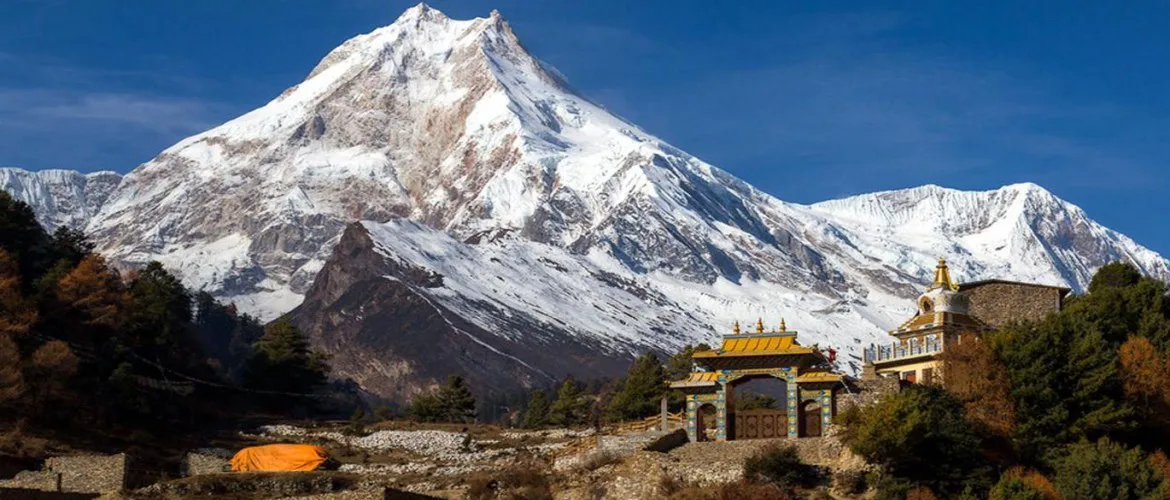
The Manaslu Circuit Trek, a trail that offers a pristine and less-crowded alternative to the more famous Annapurna Circuit, is a hidden gem nestled in the heart of the Himalayas. This trek encircles the Manaslu massif, the world’s eighth highest mountain at 8,163 meters (26,781 feet), providing an extraordinary blend of natural beauty, cultural heritage, and adventure.

Historical and Cultural Significance

The Manaslu Circuit Trek is not just about breathtaking landscapes; it’s also a journey through a region rich in cultural heritage. The area is home to the Nubri and Tsum ethnic groups, whose Tibetan-influenced culture adds a unique charm to the trek. The trail passes through ancient monasteries, chortens, and mani walls, offering trekkers a glimpse into the spiritual lives of the local people.

One of the most significant cultural sites along the trek is the ancient monastery at Lho, which offers panoramic views of Mount Manaslu. Another notable site is the Mu Gompa, the largest monastery in the region, located in the remote Tsum Valley. These monasteries are living museums, preserving centuries-old Buddhist traditions and art.

Geography and Natural Beauty

The Manaslu region is characterized by its dramatic topography, ranging from subtropical jungles at lower elevations to alpine zones above 4,000 meters. The trek begins in the low-lying areas of the Budhi Gandaki River valley, gradually ascending through terraced fields, lush forests, and quaint villages.

As you ascend, the landscape transforms into a high-altitude alpine environment with breathtaking views of snow-capped peaks, including Manaslu, Himlung Himal, and Cheo Himal. The Larkya La Pass, at 5,106 meters (16,752 feet), is the highest point of the trek and offers an unparalleled panoramic view of the surrounding peaks.

The region is also rich in biodiversity. The lower valleys are home to various species of flora and fauna, including rhododendron forests, bamboo groves, and an array of birdlife. Higher up, you might spot blue sheep, Himalayan marmots, and even elusive snow leopards.

The Trekking Route

Day 1: Arrival in Kathmandu

The journey begins in Kathmandu, the bustling capital of Nepal. Here, you can prepare for the trek, obtain necessary permits, and explore the city’s rich cultural heritage, including UNESCO World Heritage Sites like Swayambhunath (Monkey Temple) and Pashupatinath Temple.

Day 2: Drive from Kathmandu to Soti Khola (700 meters)

The trek officially starts with a drive from Kathmandu to Soti Khola. The journey takes around 8-9 hours, passing through picturesque landscapes, terraced fields, and traditional villages. Soti Khola, located on the banks of the Budhi Gandaki River, is a small settlement that marks the beginning of the trek.

Day 3: Soti Khola to Machha Khola (869 meters)

The first day of trekking involves a relatively easy walk through forests and along the river. You’ll cross suspension bridges, pass through charming villages like Khursane, and enjoy the scenic beauty of the Budhi Gandaki Valley. Machha Khola, the destination for the day, is a small village known for its warm hospitality.

Day 4: Machha Khola to Jagat (1,340 meters)

This day’s trek involves more ascent as you make your way to Jagat. The trail follows the Budhi Gandaki River, crossing several suspension bridges and passing through villages like Tatopani, known for its natural hot springs. Jagat, a traditional Gurung village, is where you officially enter the Manaslu Conservation Area.

Day 5: Jagat to Deng (1,860 meters)

The trek from Jagat to Deng offers a mix of cultural and natural experiences. You’ll pass through several Tibetan-influenced villages, including Philim and Ekle Bhatti, and witness the changing landscape as you gain altitude. Deng, a small village nestled among terraced fields, marks the transition to higher altitudes.

Day 6: Deng to Namrung (2,630 meters)

As you continue ascending, the trail to Namrung offers spectacular views of the surrounding mountains. You’ll pass through lush forests, cross suspension bridges, and visit traditional villages like Ghap, where you can experience the local culture and hospitality.

Day 7: Namrung to Samagaon (3,530 meters)

The trek from Namrung to Samagaon is one of the highlights of the journey. The trail offers breathtaking views of Manaslu and other peaks, and you’ll pass through picturesque villages like Lho and Shyala. Samagaon, located at the base of Manaslu, is a major stop for acclimatization.

Day 8: Acclimatization Day in Samagaon

An acclimatization day in Samagaon is essential to prepare for the higher altitudes ahead. You can explore the village, visit the Pungyen Gompa, or hike up to the Manaslu Base Camp for incredible views of the mountain.

Day 9: Samagaon to Samdo (3,875 meters)

The trek from Samagaon to Samdo involves a gradual ascent through alpine meadows and pastures. Samdo, a small Tibetan village located near the border with Tibet, offers stunning views of the surrounding peaks and a chance to experience the local Tibetan culture.

Day 10: Samdo to Dharamsala/Larkya Phedi (4,460 meters)

This day’s trek takes you to Dharamsala, also known as Larkya Phedi, the last stop before the challenging Larkya La Pass. The trail offers panoramic views of the mountains and passes through barren landscapes, indicating the proximity to the high pass.

Day 11: Dharamsala to Bimthang (3,720 meters) via Larkya La Pass (5,106 meters)

The highlight of the trek, crossing the Larkya La Pass, is both challenging and rewarding. The ascent to the pass offers spectacular views of Larkya Peak, Himlung Himal, and Cheo Himal. From the top of the pass, you’ll have a panoramic view of the surrounding peaks. The descent to Bimthang is steep and requires careful navigation, but the stunning scenery makes it worthwhile.

Day 12: Bimthang to Tilije (2,300 meters)

The trek from Bimthang to Tilije involves a gradual descent through lush forests and picturesque villages. You’ll pass through rhododendron forests, cross suspension bridges, and enjoy the changing landscape as you descend to lower altitudes.

Day 13: Tilije to Tal (1,700 meters)

The trail continues to descend as you make your way to Tal. You’ll pass through traditional villages, terraced fields, and enjoy the scenic beauty of the Marsyangdi River valley. Tal, a charming village located on the banks of the river, offers a perfect place to rest and reflect on your journey.

Day 14: Tal to Syange (1,080 meters)

The final day of trekking involves a relatively easy walk to Syange. The trail follows the Marsyangdi River, passing through terraced fields, lush forests, and traditional villages. Syange, the end point of the trek, offers a sense of accomplishment and a chance to celebrate your journey.

Day 15: Drive from Syange to Kathmandu

The trek concludes with a drive back to Kathmandu. The journey takes around 8-9 hours, offering a chance to reflect on the incredible experiences and memories of the trek. Back in Kathmandu, you can relax, explore the city, and celebrate the successful completion of the Manaslu Circuit Trek.

Practical Information and Tips

Permits and Regulations

Trekking in the Manaslu region requires several permits, including the Manaslu Restricted Area Permit (RAP), the Annapurna Conservation Area Permit (ACAP), and the Manaslu Conservation Area Permit (MCAP). These permits are necessary to ensure the conservation of the region and to regulate the number of trekkers.

Best Time to Trek

The best time to trek the Manaslu Circuit is during the spring (March to May) and autumn (September to November) seasons. During these times, the weather is relatively stable, and the views of the mountains are clear. The spring season offers blooming rhododendron forests, while the autumn season provides crisp, clear skies and moderate temperatures.

Accommodation and Food

Accommodation along the Manaslu Circuit Trek is primarily in teahouses, which offer basic but comfortable lodging and meals. Teahouses provide a warm and welcoming environment, with home-cooked meals that include traditional Nepali dishes like dal bhat (lentil soup with rice) and momo (dumplings).

Physical Preparation and Fitness

The Manaslu Circuit Trek is a challenging trek that requires a good level of physical fitness. It’s essential to prepare for the trek with regular exercise, including cardiovascular training, strength training, and hiking. Acclimatization is also crucial, as the trek involves significant altitude gains.

Packing and Gear

Packing the right gear is essential for a successful trek. Key items include a sturdy pair of trekking boots, warm clothing (including down jackets and thermal layers), a good-quality sleeping bag, trekking poles, and a backpack. It’s also important to carry a first-aid kit, water purification tablets, and other essentials.

The Impact of Trekking on the Local Community and Environment

Trekking in the Manaslu region has a significant impact on the local community and environment. On one hand, tourism provides a vital source of income for local communities, supporting teahouses, guides, and porters. It also helps to preserve cultural heritage, as trekkers gain insight into the local way of life and traditions.

However, it’s essential to trek responsibly to minimize the environmental impact. This includes following Leave No Trace principles, such as packing out all trash, staying on designated trails, and respecting wildlife and local communities. Using eco-friendly products and supporting sustainable tourism practices can also help protect the fragile environment of the Manaslu region.

Conclusion

The Manaslu Circuit Trek offers an unforgettable journey through one of Nepal’s most beautiful and culturally rich regions. From the lush valleys of the Budhi Gandaki River to the high-altitude landscapes of the Larkya La Pass, the trek provides a perfect blend of adventure, natural beauty, and cultural immersion. By trekking responsibly and respecting the local culture and environment, you can enjoy an enriching and rewarding experience that will stay with you for a lifetime.

Exploring the Adventure of Nepal Motorbike Tour

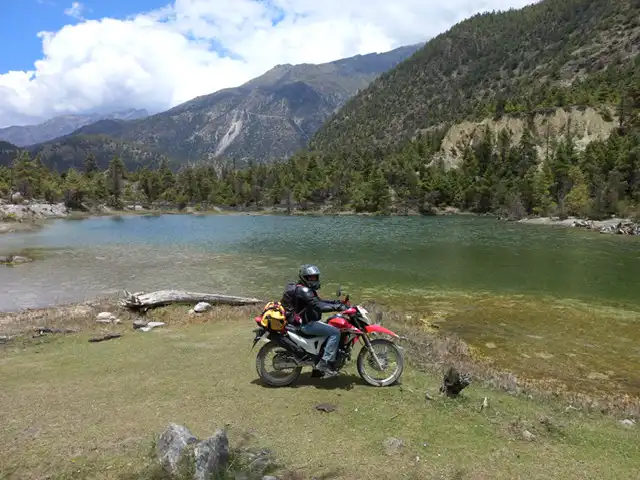
Nepal Motorbike Tour offers an unparalleled adventure for thrill-seekers and nature lovers alike. Nestled between the towering Himalayas and the lush plains, Nepal’s diverse landscapes present a perfect backdrop for motorbike enthusiasts. The experience combines the exhilaration of biking through winding mountain roads, the serenity of traversing remote valleys, and the cultural richness of encountering ancient temples and local villages. Whether you’re a seasoned rider or a beginner, Nepal’s motorbike tours cater to a variety of skill levels and preferences, promising a journey filled with breathtaking scenery and unforgettable memories.

Motorbiking in Nepal is not just about the ride; it’s about experiencing the country’s vibrant culture, stunning natural beauty, and the sense of freedom that comes from exploring off-the-beaten-path destinations. With routes ranging from smooth highways to rugged trails, the terrain offers challenges and rewards in equal measure, making Nepal a premier destination for motorbike tours.

Highlights of a Nepal Motorbike Tour

  1. Breathtaking Scenic Routes
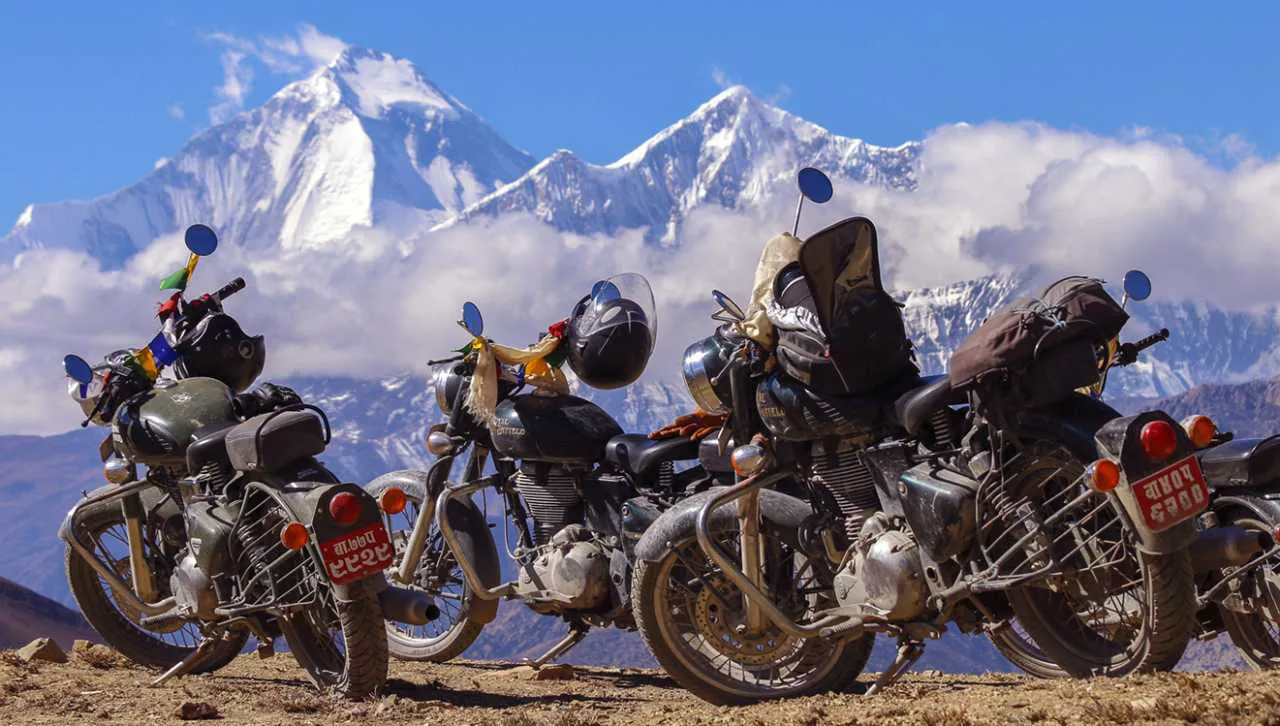
    • Mountain Passes and Valleys: Riders can navigate through dramatic mountain passes and verdant valleys. The ride through the Annapurna Circuit or the Mustang region offers panoramic views of the Himalayas, including peaks like Dhaulagiri and Annapurna. The landscape varies from lush green hills to arid, windswept high-altitude deserts.
    • Terai Plains: In contrast to the mountainous regions, the Terai plains in the south provide a different kind of beauty with their flat, expansive farmlands and rich wildlife.
  2. Cultural Immersion
    • Historic Temples and Monasteries: Motorbike tours often pass through towns and villages where ancient temples, stupas, and monasteries stand. Places like Muktinath Temple and Tengboche Monastery offer cultural insights and spiritual experiences.
    • Local Festivals and Traditions: Depending on the timing of the tour, riders might witness local festivals such as Dashain or Tihar, where traditional rituals and dances offer a glimpse into Nepalese culture.
  3. Adventure and Thrill
    • Off-road Challenges: For those seeking adventure, off-road trails present challenging rides through rugged terrains. Routes to places like Upper Mustang or Rara Lake test riding skills with steep climbs, rocky paths, and river crossings.
    • Diverse Weather Conditions: The changing weather conditions add an element of unpredictability, enhancing the sense of adventure. Riders must be prepared for everything from bright sunshine to sudden rain showers and snow at higher altitudes.
  4. Unique Experiences
    • Tea House Stays: Staying in traditional tea houses offers a unique way to experience local hospitality. Riders can enjoy local cuisine and comfortable lodgings while interacting with the local community.
    • Wildlife Encounters: In regions like Chitwan National Park, riders may encounter diverse wildlife, including rhinoceroses, elephants, and various bird species.
  5. Photographic Opportunities
    • Stunning Landscapes: The ever-changing landscape provides countless opportunities for photography, from sunrise over the Himalayas to picturesque villages nestled in valleys.
    • Cultural Snapshots: Capturing local life, colorful festivals, and traditional architecture offers a rich visual record of the journey.

Top 5 Destinations of Nepal Motorbike Tour

  1. Annapurna Circuit
    • Overview: The Annapurna Circuit is one of the most popular motorbiking routes in Nepal, renowned for its diverse scenery, ranging from lush subtropical forests to arid high-altitude deserts. The route encircles the Annapurna Massif, offering stunning views of peaks such as Annapurna, Dhaulagiri, and Machapuchare.
    • Highlights: The ride includes traversing the Thorong La Pass at 5,416 meters, exploring the charming village of Manang, and visiting the sacred Muktinath Temple. The tour provides a mix of cultural encounters with local Gurung and Thakali communities and exhilarating riding experiences through challenging terrain.
  2. Upper Mustang
    • Overview: Upper Mustang, also known as the “Forbidden Kingdom,” offers a unique glimpse into a preserved Tibetan culture. The region was restricted to tourists until 1992 and still requires a special permit to visit.
    • Highlights: The tour takes riders through dramatic landscapes of eroded cliffs, deep gorges, and colorful rock formations. Key attractions include the walled city of Lo Manthang, ancient monasteries, and cave dwellings. The arid, desert-like environment contrasts sharply with the lush valleys further south, providing a distinct riding experience.
  3. Everest Base Camp (EBC)
    • Overview: Reaching Everest Base Camp on a motorbike is a dream for many adventure enthusiasts. The route offers a challenging but rewarding experience, with breathtaking views of the world’s highest peak and the surrounding Himalayan range.
    • Highlights: The journey includes riding through rugged trails, crossing suspension bridges, and navigating high-altitude passes. Key stops include the Sherpa town of Namche Bazaar, Tengboche Monastery, and finally, the base camp itself. Riders experience the vibrant Sherpa culture and the awe-inspiring scenery of the Everest region.
  4. Rara Lake
    • Overview: Rara Lake, the largest lake in Nepal, is located in the remote northwest of the country. The area around the lake is known for its pristine beauty and tranquility.
    • Highlights: The route to Rara Lake involves traversing narrow mountain roads, passing through dense forests, and crossing rivers. Once at the lake, riders can enjoy the serene surroundings, crystal-clear waters, and the opportunity to explore the Rara National Park, home to various flora and fauna. The isolation of the region ensures a peaceful, off-the-beaten-path experience.
  5. Kathmandu to Pokhara
    • Overview: The route from Kathmandu to Pokhara is a classic motorbike tour that combines the cultural richness of Nepal’s capital with the natural beauty of Pokhara, a lakeside city known for its stunning views of the Annapurna range.
    • Highlights: The ride includes passing through lush valleys, terraced farmlands, and charming villages. Key attractions in Pokhara include Phewa Lake, the World Peace Pagoda, and the bustling Lakeside area. The journey is relatively easy compared to other routes, making it suitable for riders of all levels.

Best Time for a Nepal Motorbike Tour

The best time for a motorbike tour in Nepal largely depends on the region and the type of experience you’re seeking:

  1. Spring (March to May)
    • Advantages: Spring is one of the best seasons for motorbiking in Nepal. The weather is warm, and the skies are generally clear, offering excellent visibility of the mountains. The landscape is vibrant with blooming rhododendrons and other wildflowers.
    • Ideal Routes: All major routes, including the Annapurna Circuit, Upper Mustang, and the ride to Everest Base Camp, are accessible and enjoyable during this season.
  2. Autumn (September to November)
    • Advantages: Autumn is another ideal season for motorbiking. The weather is stable, with mild temperatures and clear skies following the monsoon rains. This season provides the best views of the Himalayas.
    • Ideal Routes: Similar to spring, all major routes are accessible. The routes to Rara Lake and Kathmandu to Pokhara are particularly beautiful during this time due to the lush green landscapes.
  3. Winter (December to February)
    • Advantages: Winter offers clear skies and crisp air, making for stunning mountain views. However, the cold temperatures and potential snowfall at higher altitudes can pose challenges.
    • Ideal Routes: Lower altitude routes, such as Kathmandu to Pokhara, are more suitable during winter. High-altitude routes like the Everest Base Camp and Thorong La Pass on the Annapurna Circuit might be difficult due to snow and cold weather.
  4. Monsoon (June to August)
    • Advantages: The monsoon season brings lush green landscapes and fewer tourists. However, the heavy rainfall can make roads slippery and prone to landslides, especially in mountainous areas.
    • Ideal Routes: Riding in regions with less rainfall, such as Upper Mustang, can still be feasible. The Terai plains also receive less rain compared to the mountains, making routes there more accessible.

Gears Required

Motorbiking in Nepal requires proper gear to ensure safety and comfort throughout the journey. Here’s a comprehensive list of essential gear:

  1. Riding Gear
    • Helmet: A high-quality, full-face helmet is crucial for protection against head injuries and harsh weather conditions.
    • Riding Jacket: A sturdy, protective jacket with padding on the shoulders, elbows, and back is essential. Look for jackets with ventilation and waterproof features for varying weather conditions.
    • Riding Pants: Protective pants with padding and abrasion-resistant materials provide safety and comfort during long rides.
    • Gloves: Durable gloves offer protection for the hands and improve grip on the handlebars.
    • Boots: High-quality riding boots protect the feet and ankles and provide support during off-road riding.
  2. Weather Protection
    • Rain Gear: Waterproof rain gear, including a raincoat and rain pants, is essential for riding during the monsoon season or unexpected rain showers.
    • Thermal Wear: Thermal base layers are necessary for riding in high-altitude and cold regions to keep warm.
    • Sunglasses/Goggles: Protect your eyes from dust and bright sunlight with quality sunglasses or riding goggles.
  3. Riding Accessories
    • Hydration Pack: A hydration pack allows you to carry and access water easily while riding, ensuring you stay hydrated on long journeys.
    • Navigation Tools: A GPS device or a reliable map is crucial for navigating remote areas and unfamiliar routes.
    • Tool Kit: Carry a basic tool kit for minor repairs and adjustments on the road. This should include items like wrenches, tire repair kits, and a multi-tool.
    • First Aid Kit: A compact first aid kit is essential for treating minor injuries and ailments during the ride.
  4. Luggage and Storage
    • Saddlebags/Panniers: Sturdy saddlebags or panniers are necessary for carrying essential items, including clothes, tools, and personal belongings.
    • Tank Bag: A tank bag provides easy access to frequently used items like maps, cameras, and snacks.
    • Waterproof Covers: Ensure your luggage is protected from rain and dust with waterproof covers or dry bags.
  5. Personal Items
    • Clothing: Pack versatile clothing suitable for varying weather conditions, including lightweight, breathable clothing for warm days and insulating layers for cold weather.
    • Camping Gear: If you plan to camp, bring lightweight camping gear, including a tent, sleeping bag, and cooking equipment.
    • Identification and Documents: Carry essential documents, including your driving license, passport, insurance papers, and permits required for certain regions (e.g., Upper Mustang).

Conclusion

Embarking on a Nepal motorbike tour is an adventure of a lifetime, offering a unique blend of thrill, culture, and natural beauty. From navigating the rugged trails of the Annapurna Circuit to exploring the mystical landscapes of Upper Mustang, the journey promises diverse experiences for every rider. The best time to ride, the choice of routes, and the right gear are crucial factors that contribute to a successful and enjoyable tour.

Whether you’re captivated by the allure of the Himalayas, the rich cultural tapestry of local traditions, or the sheer excitement of off-road challenges, Nepal has something to offer for every motorbike enthusiast. With the right preparation and a spirit of adventure, a motorbike tour in Nepal can be a transformative experience, creating lasting memories and a profound connection with this remarkable country.

For the latest updates and travel information, including permits, weather conditions, and road statuses, riders are encouraged to consult local resources and tour operators before embarking on their journey. Safe riding!

Manaslu Circuit Trek: Everything You Need To Know

Manaslu Circuit Trek: Comprehensive Guide

The Manaslu Circuit Trek is a hidden gem among Nepal’s trekking routes, offering an enthralling combination of high-altitude landscapes, culturally rich villages, and spectacular views of the eighth-highest peak in the world, Mount Manaslu (8,163 meters/26,781 feet) in the Manaslu Region. This guide provides a detailed account of the trek, covering the itinerary, costs, difficulties, best trekking time, necessary equipment, and essential tips.

Detailed Itinerary (14 Days)

Day 1: Kathmandu to Soti Khola (700m)

  • Travel Time: 8-9 hours by bus or private jeep
  • Highlights: A scenic drive through rural Nepal, featuring views of lush hills, terraced fields, and small villages.
  • Route: From Kathmandu, head west through Dhading Besi and Arughat, following the Buri Gandaki River to reach Soti Khola.
  • Overnight: Lodge in Soti Khola
  • Tips: Start early to avoid traffic and prepare for a bumpy ride, especially if traveling by public bus.

Day 2: Soti Khola to Machha Khola (869m)

  • Trek Distance: Approximately 14 km (6-7 hours)
  • Elevation Gain: 169 meters
  • Highlights: Trails through dense Sal forests, rice paddies, and alongside roaring waterfalls.
  • Route: Follow the riverbank, cross a suspension bridge, and pass through small settlements like Liding and Khursane.
  • Overnight: Lodge in Machha Khola
  • Tips: Wear sturdy shoes as the trail can be rocky and uneven.

Day 3: Machha Khola to Jagat (1,340m)

  • Trek Distance: Approximately 22 km (6-7 hours)
  • Elevation Gain: 471 meters
  • Highlights: Soak in the natural hot springs at Tatopani and explore the narrow, picturesque gorge.
  • Route: The trail crosses several streams and suspension bridges, leading through Khorla Besi and to the stone-paved village of Jagat.
  • Overnight: Lodge in Jagat
  • Tips: Enjoy a relaxing dip in the Tatopani hot springs to soothe sore muscles.

Day 4: Jagat to Deng (1,860m)

  • Trek Distance: Approximately 19 km (6-7 hours)
  • Elevation Gain: 520 meters
  • Highlights: Experience the Buddhist influence in villages like Sirdibas and the scenic beauty of gorges and terraced fields.
  • Route: Cross the Budhi Gandaki River multiple times and pass through villages like Philim.
  • Overnight: Lodge in Deng
  • Tips: Carry extra water as the trail involves steep climbs and descents.

Day 5: Deng to Namrung (2,660m)

  • Trek Distance: Approximately 20 km (6-7 hours)
  • Elevation Gain: 800 meters
  • Highlights: Walk through rhododendron forests and encounter Mani walls and chortens, marking Tibetan Buddhist influence.
  • Route: The trail ascends and descends through forests and across streams, passing through villages like Ghap.
  • Overnight: Lodge in Namrung
  • Tips: Take time to acclimatize as you’re gaining significant altitude.

Day 6: Namrung to Lho (3,180m)

  • Trek Distance: Approximately 18 km (5-6 hours)
  • Elevation Gain: 520 meters
  • Highlights: Spectacular views of Manaslu and its neighboring peaks. Visit the Ribung Gompa in Lho.
  • Route: The trail ascends through lush forests and farmlands, passing through villages like Lihi and Sho.
  • Overnight: Lodge in Lho
  • Tips: Early morning is the best time for clear mountain views.

Day 7: Lho to Samagaun (3,530m)

  • Trek Distance: Approximately 17 km (4-5 hours)
  • Elevation Gain: 350 meters
  • Highlights: The majestic sight of Manaslu and exploration of the Tibetan-influenced village of Samagaun.
  • Route: Follow a well-maintained path through pine forests and enjoy the stunning mountain vistas.
  • Overnight: Lodge in Samagaun
  • Tips: Explore the village in the afternoon and acclimate to the altitude.

Day 8: Acclimatization Day in Samagaun

  • Activities: Hike to Manaslu Base Camp or visit the serene Pungen Gompa.
  • Elevation Gain: Base Camp (4,800m) and Pungen Gompa (4,030m)
  • Highlights: Close-up views of glaciers and high peaks, experience high-altitude conditions.
  • Overnight: Lodge in Samagaun
  • Tips: Use this day to rest, hydrate, and prepare for higher altitudes.

Day 9: Samagaun to Samdo (3,875m)

  • Trek Distance: Approximately 10 km (4-5 hours)
  • Elevation Gain: 345 meters
  • Highlights: Views of Samdo Peak and the Tibetan plateau. Encounter yak herders and Tibetan refugees.
  • Route: A gradual ascent with expansive views of the surrounding mountains.
  • Overnight: Lodge in Samdo
  • Tips: Take it slow to avoid altitude sickness.

Day 10: Samdo to Dharamsala (4,460m)

  • Trek Distance: Approximately 12 km (4-5 hours)
  • Elevation Gain: 585 meters
  • Highlights: Scenic views of Larkya Glacier and Larkya Peak. Stay at the last lodge before the pass.
  • Route: A steady climb past ancient trading posts and ruins at Larkya Bazaar.
  • Overnight: Lodge in Dharamsala
  • Tips: Pack extra warm clothes as temperatures drop significantly at this altitude.

Day 11: Dharamsala to Bhimtang (3,720m) via Larkya La Pass (5,106m)

  • Trek Distance: Approximately 24 km (8-9 hours)
  • Elevation Gain: 646 meters to the pass, then descent
  • Highlights: Crossing the highest point of the trek, Larkya La Pass, with panoramic views of Himlung Himal, Cheo Himal, and Annapurna II.
  • Route: An early start is crucial; the trail is steep and often covered in snow.
  • Overnight: Lodge in Bhimtang
  • Tips: Be prepared for a long and strenuous day; pack enough food and water.

Day 12: Bhimtang to Tilije (2,300m)

  • Trek Distance: Approximately 21 km (6-7 hours)
  • Elevation Loss: 1,420 meters
  • Highlights: Descend through pine and rhododendron forests, crossing streams and enjoying waterfalls.
  • Route: The trail gradually descends, with picturesque scenery and small settlements.
  • Overnight: Lodge in Tilije
  • Tips: Enjoy the more comfortable temperatures and lower altitudes.

Day 13: Tilije to Tal (1,700m)

  • Trek Distance: Approximately 19 km (5-6 hours)
  • Elevation Loss: 600 meters
  • Highlights: Walk through the Marsyangdi Valley, and witness transitioning landscapes from alpine to subtropical.
  • Route: Cross several villages, including Dharapani, where the Manaslu trek joins the Annapurna Circuit.
  • Overnight: Lodge in Tal
  • Tips: Appreciate the mix of cultures as you pass from the Manaslu to Annapurna regions.

Day 14: Tal to Besisahar (760m) and Drive to Kathmandu

  • Trek Distance: Approximately 15 km (5-6 hours trek)
  • Elevation Loss: 940 meters
  • Travel Time: 7-8 hours drive to Kathmandu
  • Highlights: Last day of trekking through lush landscapes and a scenic drive back to Kathmandu.
  • Route: Trek to Besisahar, then take a bus or jeep back to Kathmandu.
  • Overnight: Hotel in Kathmandu
  • Tips: Pre-arrange your transportation from Besisahar to Kathmandu to ensure a smooth journey.

Cost Breakdown

Permits and Fees

  • Manaslu Conservation Area Permit (MCAP): USD 30 per person
  • Annapurna Conservation Area Permit (ACAP): USD 30 per person
  • Restricted Area Permit:
    • September to November: USD 100 per person for the first week; USD 15 per day thereafter.
    • December to August: USD 75 per person for the first week; USD 10 per day thereafter.
  • Additional Fees: Potential local fees or charges for special areas or conservation projects.

Transportation

  • Kathmandu to Soti Khola (public bus): USD 10-20 per person
  • Besisahar to Kathmandu (public bus): USD 10-20 per person
  • Jeep option (both ways): USD 150-200 per trip, offering more comfort and flexibility.
  • Domestic Flights (Optional): Consider flights to nearby cities for convenience (e.g., Pokhara to reduce driving time).

Guide and Porter

  • Guide: USD 25-30 per day
  • Porter: USD 20-25 per day
  • Combined (Guide-Porter): USD 35-45 per day if hiring a multi-role guide.
  • Tipping: A common practice, typically 10-15% of the total cost.

Accommodation

  • Teahouses/Lodges: USD 5-10 per night per person
  • Hotels in Kathmandu: USD 30-100 per night, varying by comfort and location
  • Lodging Variations: Basic teahouses at higher altitudes, more comfortable lodges at lower altitudes.

Food and Drinks

  • Meals: USD 20-30 per day
  • Typical Meals: Dal Bhat (rice and lentils), momos (dumplings), noodle soups, and pasta.
  • Bottled water: USD 1-3 per liter (consider using water purification tablets to save costs).

Miscellaneous

  • Travel Insurance: USD 100-150 (ensure it covers high-altitude trekking and helicopter evacuation).
  • Gear rental (if needed): USD 50-100 (for items like down jackets, sleeping bags, etc.)
  • Wi-Fi and Charging: USD 1-5 for Wi-Fi access and charging electronics in teahouses.
  • Souvenirs and Personal Expenses: Additional for local crafts, tips, and personal use items.

Total Estimated Cost:

  • Budget Trek: USD 700-900 per person
  • Mid-range Trek: USD 1,000-1,200 per person
  • Luxury Trek: USD 1,500+ per person (includes better accommodation and more comfortable transport options).

Difficulties

Altitude

  • Max Altitude: Larkya La Pass (5,106m)
  • Symptoms of Altitude Sickness: Headache, nausea, dizziness, and fatigue.
  • Prevention: Acclimatize properly by spending extra days at high altitudes, ascend gradually, stay hydrated, and avoid alcohol.
  • Emergency Measures: Descend to a lower altitude if symptoms persist; carry altitude sickness medication.

Terrain

  • Varied Terrain: Includes rocky paths, forest trails, river crossings, and steep ascents/descents.
  • Challenges: Uneven surfaces, potential for landslides, and icy conditions near the pass.
  • Preparation: Trekking poles, good footwear, and physical fitness are essential.

Weather Conditions

  • Temperature: Ranges from pleasant at lower altitudes to below freezing at higher altitudes, especially at night.
  • Weather: Can be unpredictable, with potential for rain, snow, and strong winds.
  • Preparation: Always carry layers of clothing and rain protection.

Isolation

  • Remoteness: Fewer amenities compared to popular trekking routes; expect basic facilities and less frequent medical aid.
  • Preparation: Carry a first aid kit, and essential medications, and ensure your guide has knowledge of emergency procedures.

Physical Fitness

  • Daily Walking: 5-9 hours with a loaded backpack; prepare for long days of hiking.
  • Preparation: Cardiovascular training, strength training, and previous trekking experience are recommended.

Route

The Manaslu Circuit Trek offers a diverse range of landscapes and cultural experiences. Starting in the lowlands at Soti Khola, the trek ascends through the Budhi Gandaki River Valley, traversing lush forests, terraced fields, and traditional villages in the Manaslu region.

  1. Budhi Gandaki River Valley: This river is your constant companion for the first few days, with trails hugging its banks and crossing suspension bridges.
  2. Lho: A village that provides the first clear views of Manaslu and houses Ribung Gompa, a stunning Buddhist monastery.
  3. Samagaun: A large Tibetan village at the base of Manaslu, offering side treks to Manaslu Base Camp and Pungen Gompa.
  4. Larkya La Pass: The trek’s highest point, providing unparalleled views of the surrounding peaks and glaciers.
  5. Descent through Marsyangdi Valley: Transitioning from alpine to subtropical environments, the descent offers a rich mix of flora and fauna.

Best Time for Manaslu Circuit Trek

Autumn (September to November)

  • Advantages: Stable weather, clear skies, and the best mountain views.
  • Crowds: Moderate, as this is the peak trekking season.
  • Temperatures: Daytime: 10-20°C; Nighttime: -5 to -10°C at higher altitudes.
  • Preparation: Book accommodations and permits in advance due to higher traffic.

Spring (March to May)

  • Advantages: Blooming rhododendrons, vibrant landscapes, and pleasant temperatures.
  • Crowds: Moderate.
  • Temperatures: Daytime: 15-25°C; Nighttime: 0 to -5°C at higher altitudes.
  • Preparation: Expect warmer weather and prepare for occasional spring showers.

Winter (December to February)

  • Advantages: Fewer trekkers and a more serene trekking experience.
  • Challenges: Very cold temperatures, especially at night, and snow-covered trails.
  • Temperatures: Daytime: 0-10°C; Nighttime: -10 to -20°C at higher altitudes.
  • Preparation: Pack extra warm clothing and be prepared for potential trail closures due to snow.

Monsoon (June to August)

  • Advantages: Lush green landscapes, fewer trekkers.
  • Challenges: Heavy rainfall, leeches, muddy and slippery trails, and potential landslides.
  • Temperatures: Daytime: 20-30°C; Nighttime: 5-15°C.
  • Preparation: Waterproof gear is essential; trails may be challenging and isolated.

Equipment List

Clothing

  • Base Layers: Thermal tops and bottoms that wick moisture away.
  • Insulation: A Fleece jacket and a down jacket for warmth.
  • Outer Layer: Waterproof and windproof jacket and pants.
  • Trekking Pants: Lightweight, quick-drying options.
  • Trekking Shirts: Long-sleeved and short-sleeved, made of quick-drying material.
  • Hiking Socks: Wool or synthetic, multiple pairs.
  • Gloves: Warm and waterproof.
  • Hat: A warm hat for cold weather and a sun hat for sunny days.
  • Scarf or Buff: For warmth and dust protection.

Footwear

  • Trekking Boots: Sturdy, comfortable, and waterproof, with good ankle support.
  • Camp Shoes: Lightweight shoes for use in lodges and camps.

Accessories

  • Backpack: 40-60 liters, with a rain cover.
  • Daypack: 20-30 liters for carrying essentials during the day.
  • Sleeping Bag: Rated for -10°C to -15°C, suitable for high-altitude cold.
  • Trekking Poles: Adjustable, for support on varied terrain.
  • Water Bottles/Bladder: Total capacity of 2-3 liters, or use a hydration system.
  • Headlamp: With extra batteries for night use.

Personal Items

  • Sunglasses: With UV protection for high-altitude glare.
  • Sunscreen: High SPF to protect against strong UV rays.
  • Lip Balm: With SPF to prevent chapping.
  • First Aid Kit: Including basic medications, bandages, blister treatment.
  • Water Purification: Tablets or a portable filter for safe drinking water.
  • Hygiene Supplies: Biodegradable soap, toothbrush, and toothpaste.
  • Toiletries: Wet wipes, hand sanitizer, and personal hygiene items.
  • Cash: For teahouse expenses, permits, and emergencies, as ATMs are unavailable.

Documentation

  • Permits: All necessary trekking permits (MCAP, ACAP, Restricted Area Permit).
  • Identification: Passport and a few passport-sized photos for permits.
  • Travel Insurance: Ensure it covers high-altitude trekking and emergency evacuation.

Essential Information

Permits and Regulations

  • Restricted Area: Manaslu is a restricted trekking region; permits are required.
  • Guide Requirement: Hiring a licensed guide is mandatory for the Manaslu Circuit.
  • Permits: Can be obtained in Kathmandu through a trekking agency or the Department of Immigration.

Safety

  • Altitude Awareness: Acclimate properly to avoid altitude sickness. Know the symptoms and be ready to descend if necessary.
  • Emergency Procedures: Familiarize yourself with the trek’s evacuation routes and have a plan for contacting emergency services.
  • Communication: Limited; satellite phones are useful for emergency contact.

Health

  • Water Safety: Always purify drinking water to avoid waterborne illnesses.
  • Food Safety: Stick to well-cooked meals in teahouses and avoid raw foods.
  • Sanitation: Use hand sanitizer and practice good hygiene to prevent illness.

Communication

  • Network Availability: Cellular networks are sparse; consider renting a satellite phone.
  • Wi-Fi: Available in some lodges but can be slow and expensive; don’t rely on it for essential communication.

Culture and Etiquette

  • Respect Local Customs: Dress modestly, ask permission before taking photos, and show respect at religious sites.
  • Environmental Responsibility: Follow “Leave No Trace” principles, dispose of waste properly, and avoid single-use plastics.

Preparation

  • Physical Fitness: Engage in cardiovascular and strength training at least 2-3 months prior to the trek.
  • Gear Check: Ensure all your equipment is in good condition before departure.
  • Pre-trek Briefing: Discuss the itinerary and emergency procedures with your guide.

Currency and Expenses

  • Local Currency: Nepalese Rupee (NPR); bring cash as credit cards are not accepted in most remote areas.
  • Budgeting: Plan for daily expenses on food, accommodation, and personal needs, along with unexpected costs.

The Manaslu Circuit Trek is a thrilling and fulfilling adventure that offers trekkers a glimpse into some of the most unspoiled natural and cultural landscapes of Nepal. Preparation and understanding of the route, costs, difficulties, and necessary equipment will ensure a safe and enjoyable experience. As one of Nepal’s less-traveled paths, it provides a unique and rewarding journey through the majestic Himalayas.

Conclusion: An Unforgettable Journey Through the Manaslu Circuit

The Manaslu Circuit Trek presents an unparalleled adventure that weaves through the raw beauty and cultural depth of the Nepalese Himalayas. From the verdant valleys of the Budhi Gandaki River to the challenging heights of the Larkya La Pass, this trek offers an immersive experience into both natural splendor and traditional lifestyles untouched by time.

Scenic Beauty and Cultural Immersion

The trek is a visual feast, offering panoramic views of towering peaks like Manaslu and Annapurna, tranquil glacial lakes, and vibrant rhododendron forests. Each step through this diverse landscape is a step back in time, where ancient Buddhist monasteries, Mani walls, and chortens stand as silent guardians of spiritual and cultural heritage. Villages like Lho and Samagaun provide trekkers with a window into the Tibetan-influenced way of life, showcasing rich traditions, warm hospitality, and enduring resilience amidst rugged terrains.

Challenges and Triumphs

While the trek is richly rewarding, it is not without its challenges. Trekkers must be prepared to navigate high-altitude conditions, rugged terrain, and varying weather patterns. The physical demands of long daily hikes and significant altitude gain require thorough preparation and acclimatization. Yet, overcoming these obstacles leads to personal triumphs and a profound sense of achievement. The crossing of the Larkya La Pass, standing at a formidable 5,106 meters, is a testament to the trekker’s perseverance and the ultimate reward for their effort.

Practical Considerations

Planning and preparation are crucial for a successful trek. Understanding the itinerary, securing necessary permits, budgeting costs, and equipping oneself appropriately are essential steps. The cost of the trek, ranging from a budget-friendly USD 700-900 to a more luxurious experience, depends on various factors including guide and porter services, accommodation, and personal preferences.

The best times to undertake this trek are in the Autumn (September to November) and Spring (March to May), when the weather is most favorable, offering clear skies and comfortable temperatures. Trekkers should also be aware of the limited amenities in remote areas and prepare accordingly with essential equipment and a focus on health and safety.

A Unique Experience

The Manaslu Circuit Trek stands out as a less-traveled route compared to the popular Everest and Annapurna circuits, providing a unique and less commercialized trekking experience. Its remoteness and the relatively fewer trekkers on the path ensure an intimate connection with nature and culture, making each moment on the trail more personal and impactful.

This journey not only challenges the body but also enriches the soul, leaving trekkers with indelible memories of majestic mountains, serene landscapes, and the heartfelt smiles of the people who call these heights their home. Whether it’s the thrill of the pass or the serenity of a remote monastery, the Manaslu Circuit Trek is a transformative experience, promising both adventure and reflection.

In essence, the Manaslu Circuit Trek is more than a trek; it is a profound exploration of the human spirit’s capacity to connect with nature, history, and culture. For those who seek a path less traveled, filled with stunning vistas and authentic encounters, the Manaslu Circuit awaits as an enduring and remarkable journey. Embark on this trek with preparation and respect, and you will be rewarded with a lifetime of memories and the serenity of the Himalayas’ hidden trails.

Everest Base Camp Trek in March

Introduction to Everest Base Camp (EBC) Trek

Everest Base Camp Trek is one of the most iconic trekking routes in the world. Located in Nepal, this trek takes adventurers through the heart of the Himalayas, offering breathtaking views of the world’s highest peaks, including Mount Everest. This challenging yet rewarding journey attracts thousands of trekkers annually who seek to experience the unique blend of natural beauty, rich culture, and the thrill of reaching the base camp of the world’s tallest mountain.

Main Highlights of the EBC Trek

  1. Scenic Flights to Lukla: The adventure begins with a thrilling flight from Kathmandu to Lukla, one of the world’s most challenging airports. The flight offers stunning aerial views of the Himalayan range.
  2. Namche Bazaar: A bustling Sherpa town that serves as the main trading hub of the Khumbu region. Namche Bazaar is a cultural highlight where trekkers can explore local markets, enjoy bakeries, and visit the Sherpa Museum.
  3. Tengboche Monastery: One of the most important monasteries in Nepal, offering spiritual insights and panoramic views of Everest, Lhotse, Ama Dablam, and other peaks.
  4. Everest View Hotel: Known for its stunning views of Mount Everest, this hotel is one of the highest-altitude hotels in the world.
  5. Kala Patthar: At an altitude of 5,545 meters, this viewpoint provides the best close-up views of Mount Everest and the surrounding peaks.
  6. Sagarmatha National Park: A UNESCO World Heritage site, home to diverse flora and fauna, including the elusive snow leopard and red panda.
  7. Base Camp Experience: Standing at Everest Base Camp, trekkers get a sense of the mountaineering culture and the immense scale of the Khumbu Icefall.

Everest Base Camp Trek in March:

Weather and Climate

March marks the beginning of the spring trekking season in Nepal. The weather during this time is relatively stable, with clear skies and moderate temperatures during the day, ranging from 10°C to 15°C (50°F to 59°F) at lower altitudes. Nights can be cold, especially at higher elevations, with temperatures dropping below freezing.

Trail Conditions

The trails in March are generally in good condition, with minimal snow at lower altitudes. As you ascend, you may encounter snow patches, especially above Tengboche. The paths are less crowded compared to the peak trekking months of April and October, providing a more serene trekking experience.

Flora and Fauna

Springtime brings the landscape to life with blooming rhododendrons, magnolias, and other alpine flowers, adding vibrant colors to the trek. This is also a good time for birdwatching as many species are active during this season.

Crowds and Accommodation

While March is not as crowded as April, it is still a popular time for trekking. Teahouses along the route are open and ready to accommodate trekkers. It is advisable to book your accommodation in advance, especially in popular spots like Namche Bazaar and Dingboche.

Health and Safety

Acclimatization is crucial when trekking to high altitudes. The EBC trek itinerary usually includes rest days in Namche Bazaar and Dingboche to help your body adjust to the altitude. Hydration, proper nutrition, and a gradual ascent are key to preventing altitude sickness.

EBC Trek Itinerary: 14 Days Including Namche and Dingboche Rest Days

Day 1: Arrival in Kathmandu (1,350m)

  • Arrive in Kathmandu and transfer to your hotel.
  • Pre-trek briefing and preparation.

Day 2: Fly to Lukla (2,800m) and Trek to Phakding (2,652m)

  • Scenic flight to Lukla.
  • Trek to Phakding.
  • Walking time: 3-4 hours.

Day 3: Trek to Namche Bazaar (3,440m)

  • Cross several suspension bridges.
  • Pass through Monjo and enter Sagarmatha National Park.
  • Walking time: 5-6 hours.

Day 4: Acclimatization Day in Namche Bazaar

  • Short hikes to Everest View Hotel or Khumjung Village.
  • Explore Namche Bazaar.

Day 5: Trek to Tengboche (3,860m)

  • Pass through forests and enjoy views of Ama Dablam.
  • Visit Tengboche Monastery.
  • Walking time: 5-6 hours.

Day 6: Trek to Dingboche (4,410m)

  • Trek through rhododendron forests and cross Imja Khola.
  • Walking time: 5-6 hours.

Day 7: Acclimatization Day in Dingboche

  • Hike to Nagarjun Hill or Chukung Valley for acclimatization.
  • Rest and enjoy the scenery.

Day 8: Trek to Lobuche (4,910m)

  • Pass through Dughla and the memorial site for fallen climbers.
  • Walking time: 5-6 hours.

Day 9: Trek to Gorak Shep (5,170m) and Visit Everest Base Camp (5,364m)

  • Trek to Gorak Shep.
  • Continue to Everest Base Camp and return to Gorak Shep.
  • Walking time: 7-8 hours.

Day 10: Hike to Kala Patthar (5,545m) and Trek to Pheriche (4,288m)

  • Early morning hike to Kala Patthar for sunrise views.
  • Descend to Pheriche.
  • Walking time: 7-8 hours.

Day 11: Trek to Namche Bazaar

  • Retrace your steps back to Namche Bazaar.
  • Walking time: 6-7 hours.

Day 12: Trek to Lukla

  • Continue your descent to Lukla.
  • Walking time: 6-7 hours.

Day 13: Fly Back to Kathmandu

  • Morning flight to Kathmandu.
  • Rest and explore the city.

Day 14: Departure from Kathmandu

  • Transfer to the airport for your departure flight.
  1. Scenic Beauty: The trek offers unparalleled views of some of the highest peaks in the world, including Mount Everest, Lhotse, world most dangerous Lukla Airport and Nuptse.
  2. Cultural Experience: Trekkers can immerse themselves in the unique Sherpa culture, visiting monasteries and interacting with the local communities.
  3. Adventure and Challenge: The physical challenge and the sense of accomplishment upon reaching the base camp are significant draws for adventure seekers.
  4. Historical Significance: The route follows the footsteps of legendary mountaineers, adding a historical dimension to the trek.

EBC Trek Cost

The cost of the EBC trek can vary widely depending on the level of service and comfort you choose. On average, the cost can range from $1,200 to $2,500 per person. This typically includes:

  • Permits and Fees: Sagarmatha National Park permit and TIMS (Trekkers’ Information Management System) card.
  • Flights: Round-trip flights from Kathmandu to Lukla.
  • Accommodation: Teahouses along the trekking route.
  • Meals: Breakfast, lunch, and dinner during the trek.
  • Guide and Porter: Hiring a guide and porter for navigation and carrying luggage.
  • Equipment: Rental of necessary trekking equipment if not already owned.
  • Insurance: Comprehensive travel insurance covering high-altitude trekking.

EBC Trek Difficulty

The EBC trek is considered moderately difficult. Factors contributing to its difficulty include:

  • Altitude: The trek reaches elevations above 5,000 meters, posing risks of altitude sickness.
  • Terrain: The trail includes steep ascents and descents, rocky paths, and occasional snow or ice patches.
  • Weather: Conditions can be harsh, especially at higher altitudes where temperatures drop significantly.
  • Duration: The trek spans approximately 12-14 days, requiring sustained physical effort.

Suitable for Beginners?

The EBC trek is achievable for beginners with proper preparation and determination. However, it is recommended that beginners:

  • Undertake Physical Training: Build cardiovascular fitness, strength, and endurance through regular exercise and hiking.
  • Acclimatize Properly: Take sufficient rest days to acclimatize and follow a gradual ascent.
  • Hire a Guide: Consider hiring an experienced guide for navigation, support, and emergency assistance.
  • Prepare Mentally: Be prepared for long walking hours, basic accommodation, and varying weather conditions.

How to Prepare for EBC Trek?

  1. Physical Fitness: Engage in regular cardiovascular exercises, strength training, and hiking to build stamina and endurance.
  2. Acclimatization: Plan your itinerary to include acclimatization days at Namche Bazaar and Dingboche.
  3. Gear and Equipment: Invest in quality trekking gear, including waterproof clothing, sturdy boots, a good sleeping bag, and a backpack.
  4. Health Precautions: Carry a first aid kit, medications for altitude sickness, and maintain good hydration and nutrition.
  5. Permits and Documentation: Ensure you have all necessary permits and travel insurance that covers high-altitude trekking.
  6. Mental Preparation: Be prepared for the challenges of high-altitude trekking, including cold weather, basic living conditions, and long walking hours.

Expedition season March, April and May:

The expedition season for Mount Everest, particularly in March, April, and May, is a period that attracts climbers from all over the world due to favorable weather conditions and established climbing traditions. Here’s a detailed explanation of why these months are ideal for Everest expeditions:

Weather Conditions

  1. Pre-Monsoon Season: March to May is part of the pre-monsoon (or spring) season in Nepal. During this time, the weather is relatively stable, and the temperatures are more moderate compared to the harsh winter months.
  2. Jet Stream Shift: The jet stream, which brings high winds to the upper parts of Everest, shifts northward during these months. This shift creates a window of relatively calm weather, especially in May, which is often referred to as the “summit window”.
  3. Snow Conditions: The snowpack tends to be more stable and less prone to avalanches during this period, making it safer for climbers.

Climbing Logistics

  1. Base Camp Setup: Expeditions typically arrive in March to set up base camps and acclimatize. The early arrival helps climbers get used to the high altitude gradually.
  2. Acclimatization: March and April are crucial for acclimatization climbs, where climbers ascend and descend to higher camps to prepare their bodies for the final summit push.
  3. Support Infrastructure: During these months, the infrastructure supporting climbers, such as fixed ropes and ladders in the Khumbu Icefall and other challenging sections, is established by Sherpa teams and professional mountaineers.

Historical and Cultural Factors

  1. Tradition: The tradition of spring climbing on Everest dates back to the first successful summit by Sir Edmund Hillary and Tenzing Norgay in May 1953. This has set a precedent for future expeditions.
  2. Peak Season for Guides and Sherpas: Many of the experienced guides and Sherpas are available during this period, as it aligns with the peak climbing season, providing necessary expertise and support.

Summit Push

  1. Optimal Conditions: The best conditions for the final ascent to the summit usually occur in mid to late May, just before the onset of the monsoon season, when the weather is most likely to be stable.
  2. Crowd Management: Although there can be congestion on the mountain, particularly during the narrow summit window, climbing in these months maximizes the chances of success due to the cumulative experience and planning of multiple teams.

In summary, March to May is the optimal expedition season on Everest due to the relatively stable weather, better snow conditions, and the availability of logistical support. Climbers use this time to acclimatize and prepare, taking advantage of a historical and well-supported climbing window that offers the best chances for a successful summit.

Everest Base Camp Trek in March:

Packing List

  • Clothing: Layered clothing system, including thermal base layers, fleece jackets, down jackets, waterproof outer layers, gloves, and hats.
  • Footwear: Sturdy trekking boots, gaiters, and comfortable trekking socks.
  • Sleeping Gear: Warm sleeping bag rated for -20°C and a sleeping bag liner.
  • Accessories: Trekking poles, sunglasses, headlamp, water purification tablets, and personal hygiene items.
  • Health and Safety: First aid kit, altitude sickness medication, blister care, and sunscreen.

Trekking Tips

  • Start Early: Begin your trek early each day to avoid afternoon winds and to have ample time for rest.
  • Hydrate: Drink plenty of water to stay hydrated and help with acclimatization.
  • Pace Yourself: Walk at a steady pace to conserve energy and reduce the risk of altitude sickness.
  • Listen to Your Body: Be mindful of altitude sickness symptoms and seek medical help if needed.
  • Respect Local Culture: Be respectful of the local customs, traditions, and religious sites.

The Everest Base Camp trek in March offers a blend of moderate weather, fewer crowds, and beautiful natural scenery, making it an ideal time for this adventure. With proper preparation, a well-planned itinerary, and a spirit of adventure, the EBC trek can be a life-changing experience.

Kami Rita Sherpa breaks own record Everest summits 30th time

Introduction to Mount Everest and Kami Rita Sherpa’s Achievements

Mount Everest, known locally as Sagarmatha in Nepal and Chomolungma in Tibet, stands as the world’s highest peak at 8,848 meters (29,029 feet) above sea level. For many adventurers and climbers, summiting Everest is a pinnacle achievement, embodying both a physical and mental challenge that tests the limits of human endurance. Among the elite group of climbers who have scaled this formidable peak, Kami Rita Sherpa stands out with his record-breaking 30 successful ascents as of May 2024. Born on January 2, 1970, in Thame village, Solukhumbu, Nepal, Kami Rita’s unparalleled accomplishments in high-altitude mountaineering have solidified his legendary status.

Kami Rita Sherpa: The Legendary Climber

Kami Rita Sherpa began his mountaineering career in 1992, initially serving as a support staff member on an Everest expedition. Over the years, his passion for climbing grew, and he honed his skills to become a senior lead guide with prestigious organizations like Seven Summit Treks and 14 Peaks Expedition. His journey to the top of the world has not only been about personal achievement but also about guiding and inspiring countless others. In addition to his numerous ascents of Mount Everest, Kami Rita has also summited other challenging peaks such as K2, Cho Oyu, Lhotse, and Manaslu, showcasing his versatility and expertise in high-altitude mountaineering.

The Everest Summit

The History and Significance

The first successful ascent of Mount Everest was achieved by Sir Edmund Hillary of New Zealand and Tenzing Norgay Sherpa of Nepal on May 29, 1953. This historic event marked a significant milestone in the history of exploration and opened the door for future expeditions. Since then, thousands of climbers from around the world have attempted to reach the summit, with varying degrees of success and failure. The allure of standing on top of the world continues to draw climbers despite the inherent risks and challenges.

The Climbing Route

Climbing Mount Everest typically involves two main routes: the Southeast Ridge from Nepal and the Northeast Ridge from Tibet. The Southeast Ridge is the more popular and accessible route, starting from the Everest Base Camp (EBC) in Nepal. The journey to the summit involves several key stages:

  1. Base Camp (5,364 meters): Climbers acclimatize and prepare for the ascent.
  2. Khumbu Icefall: A dangerous section of moving ice blocks and crevasses.
  3. Camp I (6,065 meters): Located in the Western Cwm, a glacial valley.
  4. Camp II (6,400 meters): Situated at the base of the Lhotse Face.
  5. Camp III (7,470 meters): Halfway up the Lhotse Face.
  6. Camp IV (7,920 meters): Positioned at the South Col, the final camp before the summit push.
  7. The Summit (8,848 meters): The ultimate goal, reached after navigating the Hillary Step and the South Summit.

The Everest Base Camp Trek

An Overview

The Everest Base Camp Trek is one of the most popular trekking routes in the Himalayas, offering trekkers a chance to experience the majestic beauty of the region without attempting the perilous climb to the summit. The trek takes adventurers through diverse landscapes, from lush forests to arid high-altitude terrain, and provides stunning views of some of the highest peaks in the world.

The Trekking Route

The classic Everest Base Camp Trek typically starts with a flight from Kathmandu to Lukla, a small mountain town with a notoriously short and challenging runway. From Lukla, trekkers embark on a multi-day journey that includes the following key stages:

  1. Lukla to Phakding (2,610 meters): A gentle start to the trek, taking about 3-4 hours.
  2. Phakding to Namche Bazaar (3,440 meters): A steep ascent through pine forests and alongside the Dudh Koshi River, taking about 6-7 hours.
  3. Acclimatization in Namche Bazaar: A rest day to adjust to the altitude, with optional hikes to nearby viewpoints.
  4. Namche Bazaar to Tengboche (3,860 meters): A scenic trek with views of Everest and Ama Dablam, taking about 5-6 hours.
  5. Tengboche to Dingboche (4,410 meters): Passing through rhododendron forests and crossing suspension bridges, taking about 5-6 hours.
  6. Acclimatization in Dingboche: Another rest day with options for acclimatization hikes.
  7. Dingboche to Lobuche (4,940 meters): A challenging day passing the memorials for climbers who perished on Everest, taking about 5-6 hours.
  8. Lobuche to Gorak Shep (5,164 meters) and Everest Base Camp (5,364 meters): The final push to EBC, taking about 7-8 hours round trip.

Recent Developments and Challenges

Climate Change and Environmental Impact

Mount Everest and the surrounding region face significant environmental challenges due to climate change. Melting glaciers, shifting weather patterns, and increasing temperatures have made the climbing conditions more unpredictable and hazardous. The Khumbu Icefall, in particular, has become more unstable, increasing the risk for climbers.

Tourism and Sustainability

The popularity of both the Everest summit attempts and the Base Camp trek has led to concerns about overcrowding and sustainability. During peak climbing seasons, the routes can become congested, leading to dangerous traffic jams, especially in the “death zone” above 8,000 meters. Efforts are being made to manage the number of permits issued and to promote responsible trekking practices to minimize environmental impact.

Technological Advances and Safety

Technological advancements in gear and communication have improved safety for climbers and trekkers. Lightweight, high-performance clothing and equipment help climbers cope with extreme conditions. Satellite phones and GPS devices ensure better communication and tracking, enhancing rescue operations in emergencies.

Conclusion

Kami Rita Sherpa’s achievements underscore the enduring human spirit and the relentless pursuit of excellence in high-altitude mountaineering. His record-breaking 30 ascents of Mount Everest highlight not only his personal dedication and skill but also the rich tradition of Sherpa climbers who have been the backbone of Himalayan expeditions for decades. As we celebrate these accomplishments, it is also crucial to address the environmental and sustainability challenges facing the region to ensure that future generations can continue to experience the awe-inspiring beauty of Mount Everest and the Himalayas.

Nepal Motorcycle Tour

Exploring the Majesty of Nepal: A Motorcycle Odyssey

Nestled in the heart of the Himalayas, Nepal beckons adventurers with its stunning landscapes, rich culture, and timeless spirituality. While many travelers opt for conventional modes of exploration, embarking on a motorbike tour unlocks a unique perspective, allowing riders to immerse themselves fully in the country’s diverse tapestry. In this narrative, we delve into the intricacies of a motorbike tour through Nepal, capturing the essence of the journey through a kaleidoscope of experiences, from the rugged terrain of the Annapurna Circuit to the serene valleys of Kathmandu.

Nepal-Motorbike-Tour-1280x726

Introduction: Setting the Stage

Before the journey commences, it’s essential to understand the allure of Nepal and the profound impact it has on travelers. From the bustling streets of Kathmandu to the tranquil lakes of Pokhara, Nepal offers a juxtaposition of chaos and serenity, tradition and modernity. The decision to explore Nepal on a motorcycle stems from a desire to delve deeper into its soul, to traverse remote paths inaccessible to conventional tourists, and to forge a connection with the land and its people.

Gearing Up

Preparation is paramount for a successful motorbike tour in Nepal. This chapter delves into the logistics of planning, from selecting the right motorcycle to obtaining necessary permits and gear. Choosing the appropriate bike—whether it’s a rugged Royal Enfield or a nimble Honda CRF—is crucial for navigating Nepal’s diverse terrain. Additionally, acquiring the required permits, such as the TIMS (Trekkers’ Information Management System) card and Annapurna Conservation Area Permit, ensures compliance with local regulations. Finally, outfitting oneself with proper riding gear, including helmets, protective clothing, and navigation tools, is imperative for safety and comfort throughout the journey.

Kathmandu: Gateway to the Himalayas

The journey begins in Kathmandu, a city steeped in history and tradition. Amidst the chaotic streets and vibrant markets, riders embark on a cultural exploration, visiting ancient temples such as Swayambhunath and Boudhanath. The chapter highlights the sensory overload of Kathmandu—the bustling Thamel district, the aromatic street food, and the rhythmic chants emanating from centuries-old monasteries. Despite the frenetic pace of the city, riders find solace in its hidden gems, discovering quiet alleyways and hidden courtyards that offer respite from the chaos.

The Annapurna Circuit: A Test of Endurance

Leaving the urban sprawl behind, riders venture into the rugged terrain of the Annapurna Circuit, one of Nepal’s most iconic trekking routes. This chapter chronicles the adrenaline-fueled ascent through steep mountain passes, winding roads, and cascading waterfalls. Along the way, riders encounter remote villages inhabited by indigenous communities, each with its own distinct culture and customs. Despite the physical challenges posed by high altitudes and unpredictable weather, the breathtaking vistas of snow-capped peaks and pristine valleys make every twist and turn worthwhile.

Pokhara: Oasis of Tranquility

After conquering the Annapurna Circuit, riders descend upon Pokhara, a picturesque city nestled beside the serene Phewa Lake. Here, amidst the tranquil surroundings, travelers indulge in much-needed relaxation and reflection. From leisurely boat rides on the lake to paragliding adventures over the Pokhara Valley, this chapter explores the myriad recreational opportunities that abound in Pokhara. Additionally, riders immerse themselves in the local culture, sampling traditional Nepali cuisine and interacting with friendly locals eager to share their stories.

The Road Less Traveled: Off-the-Beaten-Path Adventures

Beyond the well-trodden tourist routes, Nepal offers a plethora of hidden gems waiting to be discovered. This chapter delves into the lesser-known regions of the country, from the remote villages of Mustang to the pristine wilderness of the Eastern Himalayas. Riding off the beaten path, travelers encounter untamed landscapes, ancient monasteries, and indigenous wildlife, forging unforgettable memories along the way. Whether navigating rocky trails or crossing suspension bridges suspended high above raging rivers, the spirit of adventure thrives in these uncharted territories.

As the motorbike tour through Nepal draws to a close, riders reflect on the transformative power of the journey. From the bustling streets of Kathmandu to the remote mountain passes of the Annapurna Circuit, each moment has left an indelible mark on their souls. Though the road may have come to an end, the memories forged and the friendships formed will endure long after the journey is over. And as they bid farewell to Nepal, riders carry with them a piece of its spirit—a reminder of the majesty and magic that awaits those who dare to explore its rugged terrain.

Nepal boasts some of the most spectacular motorbike routes in the world, offering riders an exhilarating journey through diverse landscapes, from rugged mountains to lush valleys. Here are some of the most popular motorbike routes in Nepal, each with its own unique charm and challenges:

Kathmandu to Pokhara via Prithvi Highway

Route Overview: This classic route takes riders from the bustling capital of Kathmandu to the tranquil lakeside city of Pokhara, offering a perfect blend of scenic beauty and cultural immersion.

Highlights:

  • Prithvi Highway: The journey begins on the Prithvi Highway, a well-maintained road that winds through lush hillsides and terraced farmland.
  • Trishuli River: Riders can take a break and admire the scenic beauty of the Trishuli River, which flows alongside the highway, offering opportunities for river rafting and other water sports.
  • Majestic Mountain Views: En route to Pokhara, riders are treated to breathtaking views of the Himalayas, including the iconic peaks of Annapurna and Machhapuchhre.
  • Pokhara: The route culminates in Pokhara, where riders can unwind by the tranquil waters of Phewa Lake, explore the city’s vibrant markets, and embark on outdoor adventures such as paragliding and trekking.

Annapurna Circuit

Route Overview: Widely regarded as one of the most epic motorbike journeys in the world, the Annapurna Circuit takes riders on a high-altitude adventure through the heart of the Himalayas.

Highlights:

  • Besisahar to Manang: The route begins in Besisahar and winds its way through remote villages, terraced fields, and pine forests, culminating in the picturesque town of Manang.
  • Thorong La Pass: Riders face the ultimate challenge in crossing Thorong La Pass, the highest navigable pass in the world at an elevation of 5,416 meters. The ascent to the pass offers panoramic views of snow-capped peaks and rugged terrain.
  • Muktinath Temple: After conquering Thorong La Pass, riders descend to the sacred pilgrimage site of Muktinath, where they can explore ancient temples and natural hot springs.
  • Jomsom and Marpha: The route passes through the enchanting villages of Jomsom and Marpha, known for their apple orchards, Tibetan culture, and stunning mountain vistas.

Kathmandu to Nagarkot

Route Overview: Ideal for riders seeking a shorter excursion from Kathmandu, the route to Nagarkot offers panoramic views of the Himalayas and the Kathmandu Valley.

Highlights:

  • Scenic Overlooks: Riders ascend from Kathmandu to Nagarkot, a hill station renowned for its panoramic views of the Himalayas, including Mount Everest on clear days.
  • Sunrise and Sunset: Nagarkot is a popular destination for watching sunrise and sunset over the Himalayas, offering breathtaking vistas that captivate the soul.
  • Hiking and Mountain Biking: Riders can explore the surrounding hillsides on foot or mountain bike, discovering hidden trails, terraced farms, and traditional villages along the way.
  • Cultural Immersion: Nagarkot provides opportunities to immerse oneself in local culture, with visits to nearby monasteries, temples, and markets offering insight into traditional Nepali life.

Kathmandu Valley Circuit

Route Overview: For riders interested in exploring the cultural and historical treasures of the Kathmandu Valley, this circuit offers a comprehensive tour of the region’s UNESCO World Heritage Sites and ancient towns.

Highlights:

  • Bhaktapur Durbar Square: Riders begin their journey in Bhaktapur, an ancient city renowned for its well-preserved architecture, intricate woodcarvings, and vibrant culture.
  • Patan Durbar Square: The route continues to Patan, another UNESCO World Heritage Site known for its exquisite temples, palaces, and courtyards.
  • Swayambhunath and Boudhanath: Riders can visit the iconic Buddhist stupas of Swayambhunath and Boudhanath, which offer panoramic views of the Kathmandu Valley and insights into Buddhist spirituality.
  • Chandragiri Hills: The circuit culminates with a visit to Chandragiri Hills, where riders can enjoy sweeping views of the Himalayas and the Kathmandu Valley, as well as engage in outdoor activities such as zip-lining and hiking.

Ghorepani Poon Hill Motorbike Tour is a thrilling adventure offered by Himalayan Adventure Treks in Nepal. Here are the details of the tour:

Duration: The tour typically lasts around 9 days, including arrival and departure days.

Highlights:

  1. Ghorepani: Explore the picturesque village of Ghorepani, nestled in the Annapurna region, known for its stunning views of the surrounding mountains and lush forests.
  2. Poon Hill: Ride to Poon Hill, one of the most popular vantage points in Nepal, offering panoramic views of the Annapurna and Dhaulagiri mountain ranges at sunrise.
  3. Annapurna Region: Discover the beauty of the Annapurna region as you ride through charming villages, terraced fields, and rhododendron forests.
  4. Cultural Experience: Immerse yourself in the local culture by interacting with friendly villagers, visiting ancient temples and monasteries, and experiencing traditional Nepali hospitality.
  5. Adventure Riding: Experience the thrill of riding through diverse terrain, including winding mountain roads, rugged trails, and scenic valleys, with experienced guides leading the way.
  6. Accommodation: Stay in comfortable lodges and guesthouses along the route, providing a cozy retreat after a day of adventure.
  7. Support Team: Benefit from the support of experienced guides and a dedicated support team who ensure a smooth and memorable journey.
  8. Customization: The tour may be customizable to suit individual preferences and riding abilities, with options for shorter or longer itineraries and additional activities.

The World’s Highest Lake Motorbike Tour to Tilicho Lake is an exhilarating adventure offered by Himalayan Adventure Treks in Nepal. Here are the details of the tour:

Duration: The tour typically spans around 10 days, including arrival and departure days.

Highlights:

  1. Tilicho Lake: Explore Tilicho Lake, situated at an altitude of approximately 4,919 meters (16,138 feet), making it one of the highest lakes in the world. Marvel at its stunning turquoise waters surrounded by towering peaks, including Annapurna and Tilicho.
  2. Annapurna Circuit: Ride through the iconic Annapurna Circuit, one of the most renowned trekking and biking routes in the world, offering breathtaking views of the Himalayas and diverse landscapes.
  3. Adventure Riding: Experience the thrill of riding through challenging terrain, including rugged mountain roads, rocky trails, and high-altitude passes, with experienced guides leading the way.
  4. Cultural Immersion: Immerse yourself in the rich culture of the Himalayan region by visiting traditional villages, ancient monasteries, and historic sites along the route. Interact with friendly locals and experience their unique way of life.
  5. Natural Beauty: Witness the awe-inspiring beauty of the Himalayas, including snow-capped peaks, alpine meadows, pristine rivers, and cascading waterfalls, as you journey through remote and untouched landscapes.
  6. Accommodation: Stay in cozy lodges, guesthouses, or tented camps along the route, providing a comfortable retreat after a day of adventure.
  7. Support Team: Benefit from the support of experienced guides and a dedicated support team who ensure a safe and memorable journey, including vehicle support for luggage and emergencies.
  8. Customization: The tour may be customizable to suit individual preferences and riding abilities, with options for shorter or longer itineraries, side trips, and additional activities.

Need to know about Motorcycle Tour:

Embarking on a motorcycle tour in Nepal can be an exhilarating and unforgettable experience. Here are some essential things you need to know before you go:

  1. Research and Plan: Familiarize yourself with Nepal’s geography, road conditions, weather patterns, and cultural norms. Plan your route carefully, considering both popular tourist destinations and off-the-beaten-path locations.
  2. Permits and Documentation: Make sure you have all necessary permits for traveling in Nepal, especially if you plan to venture into restricted areas. Carry your passport, visa, driver’s license, and vehicle registration documents at all times.
  3. Motorcycle Rental or Bring Your Own: Decide whether you’ll rent a motorcycle in Nepal or bring your own. If renting, choose a reputable rental company with well-maintained bikes. If bringing your own, ensure your motorcycle is in good condition and meets any import requirements.
  4. Safety Gear: Invest in quality safety gear, including a DOT or SNELL-approved helmet, riding jacket, gloves, pants, and boots. Nepal’s roads can be challenging, so proper gear is essential for your safety.
  5. Road Conditions: Be prepared for varied road conditions, from smooth highways to rough, unpaved mountain roads. Expect narrow roads, steep inclines, hairpin bends, and unpredictable traffic.
  6. Altitude Considerations: Many of Nepal’s attractions, including popular destinations like Kathmandu and Pokhara, are located at high altitudes. Take your time to acclimatize to the altitude, especially if you’re coming from lower elevations.
  7. Weather Awareness: Nepal experiences diverse weather patterns depending on the region and time of year. While the lowlands can be hot and humid, mountainous areas can be cold, especially at higher altitudes. Check the weather forecast before setting out and be prepared for sudden changes.
  8. Fuel and Supplies: Carry sufficient fuel, especially if traveling in remote areas where gas stations may be scarce. Stock up on food, water, and basic supplies, as amenities may be limited in rural areas.
  9. Cultural Sensitivity: Respect local customs, traditions, and beliefs. Dress modestly, especially when visiting religious sites, and ask for permission before taking photographs of people.
  10. Emergency Preparedness: Have a basic understanding of first aid and carry a well-equipped medical kit. Know emergency contact numbers, including those for local police, hospitals, and your country’s embassy or consulate.
  11. Travel Insurance: Consider purchasing travel insurance that covers medical emergencies, trip cancellations, and motorcycle-related accidents.
  12. Group or Solo Travel: Decide whether you’ll travel solo or join a guided motorcycle tour. Traveling with a group can provide added safety and support, especially in remote areas.
  13. Respect the Environment: Practice responsible tourism by minimizing your environmental impact. Dispose of waste properly and respect wildlife and natural habitats.
  14. Language: While English is widely spoken in tourist areas, learning a few basic phrases in Nepali can enhance your interactions with locals and enrich your experience.
  15. Enjoy the Journey: Finally, embrace the adventure and soak in the breathtaking scenery, rich culture, and warm hospitality that Nepal has to offer. A motorcycle tour in Nepal is not just about reaching your destination but also about enjoying the journey along the way.

Riding Skill Required:

To fully enjoy a motorbike tour in Nepal, it’s advisable to have a certain level of riding skill and experience due to the varied terrain, challenging road conditions, and potential altitude changes. Here are some recommended riding skills:

  1. Basic Riding Proficiency: Ensure you have a solid grasp of basic motorcycle riding skills, including starting, stopping, accelerating, and braking smoothly. Practice proper body positioning and balance while riding.
  2. Cornering Skills: Develop confidence in cornering techniques, including leaning into turns and maintaining control on winding roads. Be prepared for tight hairpin bends and switchbacks, especially in mountainous regions.
  3. Braking Control: Master emergency braking techniques to stop quickly and safely in case of obstacles or unexpected situations. Practice using both the front and rear brakes effectively.
  4. Handling Different Road Surfaces: Familiarize yourself with riding on various road surfaces, including paved highways, gravel roads, dirt tracks, and uneven terrain. Adjust your riding technique accordingly to maintain stability and control.
  5. Navigational Skills: Improve your navigational skills to follow maps, GPS directions, and road signs effectively. Stay alert and aware of your surroundings to navigate through unfamiliar areas confidently.
  6. Riding in Traffic: Practice riding in traffic and busy urban areas, especially if you plan to explore cities like Kathmandu or Pokhara. Stay vigilant, anticipate traffic movements, and maintain a safe distance from other vehicles.
  7. Hill Riding Techniques: Learn how to ride on steep inclines and descents, including proper gear selection, throttle control, and maintaining momentum. Practice hill starts and stops to avoid stalling on uphill sections.
  8. Altitude Adaptation: Be prepared for riding at high altitudes, where oxygen levels may be lower and temperatures cooler. Acclimatize gradually to altitude changes and recognize the signs of altitude sickness, such as dizziness or shortness of breath.
  9. Mechanical Knowledge: Gain basic mechanical knowledge of your motorcycle, including how to perform routine maintenance tasks, check fluid levels, and troubleshoot common issues. Carry a basic tool kit and spare parts for roadside repairs if needed.
  10. Emergency Preparedness: Familiarize yourself with emergency procedures and know-how to handle breakdowns, accidents, or medical emergencies while on the road. Carry a first aid kit and have access to emergency contacts for assistance if required.

While you don’t need to be an expert rider, having a solid foundation in these skills will enhance your confidence and enjoyment during a motorbike tour in Nepal. It’s also beneficial to start with shorter rides to gradually build up your experience and comfort level before tackling longer journeys or more challenging terrain. If you’re unsure about your riding abilities, consider joining a guided motorcycle tour where experienced guides can provide support and guidance along the way.

Gear list of Nepal Motorbike Tour:

  1. Helmet: A DOT or SNELL-approved helmet to protect your head in case of accidents. Choose a full-face helmet for maximum coverage.
  2. Riding Jacket: A durable riding jacket with armor inserts for protection against abrasion and impact. Look for jackets with ventilation for breathability in warm weather and insulation for cold temperatures.
  3. Riding Pants: Pants specifically designed for motorcycle riding, preferably with reinforced knees and hips. Consider options with removable liners for versatility in different weather conditions.
  4. Riding Gloves: Sturdy, full-fingered gloves with armor and padding to protect your hands in case of falls or slides. Look for gloves with weatherproofing for rain or cold-weather riding.
  5. Riding Boots: High-quality motorcycle boots with ankle support, toe protection, and oil-resistant soles for optimal grip on the footpegs and the road. Choose waterproof boots for wet conditions.
  6. Base Layers: Moisture-wicking base layers to keep you dry and comfortable, especially during long rides or in hot weather. Consider thermal base layers for riding in cold temperatures.
  7. Rain Gear: Waterproof rain jacket and pants to keep you dry during sudden downpours or in rainy conditions. Look for lightweight, packable options for easy storage on your motorcycle.
  8. Body Armor: Additional body armor inserts for extra protection, especially if your riding jacket doesn’t come with built-in armor. This can include back protectors, chest protectors, and hip armor.
  9. Hydration System: A hydration pack or water bottle holder to stay hydrated during long rides, particularly in hot or high-altitude environments. Carry enough water to last between stops, especially in remote areas.
  10. Tool Kit: A compact tool kit with essential tools for roadside repairs and maintenance, including wrenches, screwdrivers, pliers, tire repair kit, and spare fuses. Familiarize yourself with basic motorcycle maintenance tasks before your trip.
  11. First Aid Kit: A comprehensive first aid kit with bandages, antiseptic wipes, pain relievers, blister treatments, and any personal medications you may need. Include a basic first aid manual for reference.
  12. Navigation: GPS device or smartphone with offline maps and a reliable mount for easy navigation. Carry a physical map as a backup in case of GPS signal loss or device malfunction.
  13. Luggage: Saddlebags, panniers, tank bags, or a tail bag to carry your belongings, spare parts, tools, and supplies. Choose luggage that is waterproof, secure, and evenly distributed to maintain balance while riding.
  14. Communication: A mobile phone with a local SIM card for communication with fellow riders, emergency services, and accommodations. Consider a Bluetooth headset for hands-free communication while riding in groups.
  15. Clothing: Pack appropriate clothing for varying weather conditions, including moisture-wicking shirts, breathable layers, a warm jacket or sweater, and a hat or beanie for cold weather. Pack light but versatile clothing that can be layered for warmth or removed for cooling.
  16. Personal Items: Sunglasses, sunscreen, insect repellent, lip balm, toiletries, and any other personal items you may need during your journey.
  17. Documentation: Passport, visa, driver’s license, vehicle registration, insurance documents, and any necessary permits or identification required for traveling in Nepal.
  18. Emergency Contacts: Carry a list of emergency contacts, including local emergency services, your country’s embassy or consulate in Nepal, and contact information for family or friends back home.

Best time for Motorcycle Tour:

The best time for a motorbike tour in Nepal largely depends on your preferences, the regions you want to explore, and the type of experience you’re seeking. However, generally, the most favorable seasons for motorcycle touring in Nepal are spring and autumn.

  1. Spring (March to May):
    • Spring in Nepal brings mild temperatures, clear skies, and blooming flowers, making it an ideal time for motorcycle tours.
    • The weather is generally stable, with minimal rainfall and comfortable temperatures, especially in the lowlands and mid-hills.
    • Roads are in good condition, and mountain views are often crystal clear, offering breathtaking vistas of the Himalayas.
    • This season is perfect for exploring popular destinations like Kathmandu, Pokhara, Chitwan National Park, and the Annapurna region.
  2. Autumn (September to November):
    • Autumn is another excellent season for motorcycle touring in Nepal, characterized by dry weather, clear skies, and pleasant temperatures.
    • After the monsoon season, the air is fresh and the landscapes are lush green, providing stunning scenery along the way.
    • The visibility of the Himalayas is exceptional during autumn, offering unparalleled views of snow-capped peaks.
    • This season is also ideal for embarking on adventurous rides to remote areas, such as the Everest region or the rugged trails of Upper Mustang.

Both spring and autumn offer optimal weather conditions for motorcycle touring, with comfortable temperatures, minimal rainfall, and clear skies. However, it’s essential to consider factors such as altitude, road conditions, and local festivals when planning your trip. Be prepared for colder temperatures at higher elevations, especially in the mornings and evenings, and check the weather forecast regularly for any unexpected changes. Ultimately, the best time for your motorbike tour in Nepal is when you feel most comfortable and ready to embrace the adventure.

Himalayan Adventure:

A motorcycle tour in Nepal offers a thrilling adventure through diverse landscapes, rich culture, and breathtaking scenery. Whether you’re cruising along winding mountain roads, exploring ancient temples, or soaking in panoramic views of the Himalayas, Nepal provides an unforgettable experience for riders of all levels. Here’s a conclusion highlighting key aspects of a Nepal motorbike tour:

Adventure: Nepal’s rugged terrain and challenging road conditions promise an exhilarating adventure for motorcycle enthusiasts. From navigating steep mountain passes to traversing remote villages, every twist and turn brings a new sense of excitement and exploration. Riders can expect to encounter diverse landscapes, including lush forests, cascading waterfalls, and snow-capped peaks, creating a truly immersive journey into the heart of the Himalayas.

Culture: Beyond its natural beauty, Nepal boasts a rich tapestry of culture and tradition waiting to be discovered. Along the way, riders will encounter ancient temples, ornate palaces, and vibrant markets bustling with activity. Interacting with friendly locals and experiencing traditional rituals offers a glimpse into Nepal’s unique heritage and way of life, leaving a lasting impression on visitors.

Scenery: One of the highlights of a Nepal motorbike tour is the stunning scenery that unfolds at every turn. Riders will be treated to unparalleled views of towering mountains, including Mount Everest, the world’s highest peak. Rolling hills, terraced fields, and picturesque valleys paint a mesmerizing backdrop, providing endless opportunities for scenic stops and photo opportunities.

Challenge: While rewarding, a Nepal Motorbike Tour presents its fair share of challenges, requiring riders to be skilled, adaptable, and prepared for the unexpected. From navigating narrow mountain passes to braving unpredictable weather, each day presents a new set of obstacles to overcome. However, overcoming these challenges fosters a sense of accomplishment and resilience, deepening the sense of adventure and camaraderie among riders.

Connection with Nature: Riding through Nepal’s unspoiled landscapes offers a profound connection with nature, allowing riders to disconnect from the hustle and bustle of modern life and reconnect with the natural world. The tranquility of remote mountain villages, the serenity of alpine lakes, and the awe-inspiring beauty of the Himalayas instill a sense of awe and wonder, reminding riders of the importance of preserving our planet’s natural treasures.

Community: Nepal Bike Tour is not just about the destination but also about the journey and the connections forged along the way. Whether riding solo or with a group, riders share a bond forged by the shared experience of exploration, adventure, and discovery. Exchanging stories around a campfire, sharing meals with locals, and lending a helping hand to fellow riders create memories that last a lifetime.

In conclusion, a motorbike tour in Nepal offers an unparalleled adventure through a land of contrasts, where ancient traditions coexist with modern-day life, and rugged mountains meet lush valleys. From the thrill of conquering challenging terrain to the awe-inspiring beauty of the Himalayas, Nepal captivates the hearts and minds of riders, leaving them with a profound sense of awe, inspiration, and gratitude for the journey of Himalayan Adventures.

Everest Helicopter Tour

Everest Helicopter Tour is an extraordinary adventure that offers a unique and exhilarating perspective of the world’s highest peak, Mount Everest, and its surrounding Himalayan landscape. In this comprehensive guide, we will delve into every aspect of this remarkable journey, exploring the itinerary, the experience, the logistics, and the breathtaking sights that await those embarking on this once-in-a-lifetime expedition.

Introduction to Everest Helicopter Tour:

Nestled amidst the awe-inspiring Himalayan range, Everest Base Camp stands as a beacon of adventure and exploration, drawing travelers from around the globe to witness its majestic beauty. Traditionally accessed through arduous trekking routes that demand weeks of hiking and acclimatization, Everest Base Camp has now become accessible to a broader audience through the convenience and efficiency of helicopter tours.

A New Perspective:

Helicopter tours to Everest Base Camp offer a fresh and exhilarating way to experience the world’s highest peak, Mount Everest, and its surrounding peaks. Departing from Kathmandu, Nepal’s bustling capital, these tours provide a unique aerial perspective of the Himalayas, allowing passengers to witness the grandeur of the mountains from the comfort of a helicopter.

Accessibility and Convenience:

Unlike traditional trekking routes that require considerable time and physical exertion, helicopter tours offer a convenient and efficient means of reaching Everest Base Camp. With a typical itinerary spanning 4 to 6 hours, these tours allow travelers to experience the wonders of the Himalayas in a fraction of the time required for a traditional trek.

Suitable for All:

One of the most appealing aspects of helicopter tours to Everest Base Camp is their accessibility to travelers of all ages and fitness levels. Whether you’re a seasoned adventurer seeking a new challenge or a leisure traveler looking to experience the thrill of the Himalayas, a helicopter tour offers an opportunity for everyone to witness the beauty of Mount Everest up close.

Immersive Experience:

Despite the convenience of helicopter travel, these tours provide an immersive and unforgettable experience that allows passengers to connect with the landscape and culture of the Everest region. From the moment the helicopter takes off to the exhilarating landing at Everest Base Camp, every moment of the journey is filled with awe and wonder.

Environmental Considerations:

While helicopter tours offer a more accessible way to experience Everest Base Camp, it’s essential to consider their environmental impact. Operators prioritize responsible tourism practices to minimize their footprint on the fragile Himalayan ecosystem, ensuring that future generations can continue to enjoy the beauty of this pristine landscape.

A helicopter tour to Everest Base Camp provides an unparalleled opportunity to witness the grandeur of Mount Everest and its neighboring peaks from the air. Unlike traditional trekking routes that require weeks of hiking and acclimatization, a helicopter tour offers a more convenient and efficient way to experience the Himalayas’ majestic beauty.

Itinerary Overview:

The typical itinerary for a helicopter tour to Everest Base Camp spans approximately 4 to 6 hours, starting and ending in Kathmandu, Nepal. Here’s a detailed breakdown of what to expect:

  1. Departure from Kathmandu: The journey begins with a scenic helicopter flight from Kathmandu, Nepal’s capital city, towards the Everest region. As the helicopter ascends, passengers are treated to stunning views of the Kathmandu Valley and the surrounding countryside.
  2. Aerial Views of the Himalayas: As the helicopter approaches the Everest region, passengers are mesmerized by the sight of the towering Himalayan peaks, including Mount Everest, Lhotse, Nuptse, and Ama Dablam. The panoramic vistas from the helicopter provide a unique perspective of these majestic mountains, showcasing their sheer size and beauty.
  3. Landing at Everest Base Camp: The highlight of the tour is the landing at Everest Base Camp, located at an altitude of approximately 5,364 meters (17,598 feet). The helicopter touches down near the base camp, allowing passengers to disembark and explore the surrounding area. This is a rare opportunity to stand in the shadow of the world’s highest peak and witness the incredible landscape that surrounds it.
  4. Exploration and Photography: While at Everest Base Camp, passengers have the opportunity to explore the area, interact with mountaineers preparing for their ascent, and take photographs of the breathtaking scenery. The base camp serves as a staging point for climbers attempting to summit Mount Everest, and its rugged terrain and stark beauty are truly awe-inspiring.
  5. Return Flight to Kathmandu: After spending time at Everest Base Camp, passengers reboard the helicopter for the return flight to Kathmandu. The journey back offers another chance to admire the Himalayan landscape from the air, providing a different perspective than the outbound flight.
  6. Arrival in Kathmandu: The helicopter tour concludes with a smooth landing back in Kathmandu, where passengers can reflect on their incredible journey and cherish the memories of their experience in the Himalayas.

Experience Highlights:

A helicopter tour to Everest Base Camp offers a range of highlights and unique experiences that set it apart from other forms of mountain exploration:

  • Spectacular Aerial Views: From the moment the helicopter takes off, passengers are treated to breathtaking views of the Himalayan range. The aerial perspective allows for unparalleled sightseeing opportunities, with panoramic vistas of snow-capped peaks, deep valleys, and rugged terrain.
  • Close-up View of Mount Everest: The highlight of the tour is undoubtedly the opportunity to see Mount Everest up close. As the helicopter approaches the world’s highest peak, passengers are awestruck by its sheer size and majesty. The sight of Everest, towering above the surrounding mountains, is a once-in-a-lifetime experience that leaves a lasting impression.
  • Landing at Everest Base Camp: Touching down at Everest Base Camp is a momentous occasion that few people ever get to experience. Stepping out of the helicopter onto the rocky terrain of the base camp is a surreal and exhilarating feeling, as you realize that you are standing at the foot of the tallest mountain on Earth.
  • Interaction with Climbers: While at Everest Base Camp, passengers have the opportunity to interact with mountaineers from around the world who are preparing for their ascent of Mount Everest. Hearing their stories and learning about the challenges they face adds a human element to the experience and deepens one’s appreciation for the dedication and courage required to climb the world’s highest peak.
  • Photography Opportunities: The scenery at Everest Base Camp is nothing short of spectacular, and passengers are encouraged to capture the moment with their cameras. Whether it’s a group photo with Mount Everest in the background or a close-up shot of the colorful prayer flags that adorn the area, there are endless opportunities for stunning photography.
  • Sense of Achievement: Completing a helicopter tour to Everest Base Camp is a remarkable achievement that will be remembered for a lifetime. Whether you’re an avid adventurer or someone seeking a once-in-a-lifetime experience, standing at the foot of the world’s highest peak is a moment of triumph and fulfillment.

    Details of Everest Helicopter Tour:

    Embark on an extraordinary journey from the vibrant city of Kathmandu, Nepal, as you prepare to soar above the majestic Himalayas on a helicopter tour to the renowned Everest Base Camp. This once-in-a-lifetime adventure promises an exhilarating experience that will leave you with memories to cherish for years to come.

    As you board the helicopter, anticipation mounts, and soon you’re airborne, leaving the hustle and bustle of Kathmandu behind. The landscape below transforms into a breathtaking vista of rugged mountains, verdant valleys, and winding rivers. The journey towards the Everest region is a feast for the eyes, with every turn revealing new wonders of nature’s grandeur.

    Peering out of the helicopter’s window, you’re treated to panoramic views of iconic Himalayan peaks such as Lhotse, Nuptse, and the stunningly picturesque Ama Dablam. Each peak tells a story of triumph and challenge, beckoning adventurers from around the world to conquer their lofty heights.

    As the helicopter ascends higher, the air grows crisper, and the scenery becomes even more awe-inspiring. Deep valleys carved by ancient glaciers stretch out below, their icy fingers reaching towards the heavens. Glacial lakes shimmer like sapphires amidst the rugged terrain, a testament to the raw power of nature’s forces.

    Your experienced pilot guides the helicopter with precision, ensuring a smooth and safe journey as you continue towards your destination. Along the way, they provide insightful commentary about the landmarks and geography of the region, adding depth to your appreciation of the Himalayas’ beauty and majesty.

    Finally, the moment you’ve been waiting for arrives as the helicopter approaches Everest Base Camp. The staging point for climbers embarking on the ultimate adventure to summit Mount Everest, this hallowed ground holds a special allure for adventurers and dreamers alike. With bated breath, you watch as the helicopter descends, gently touching down near the base camp.

    Stepping out onto the rocky terrain, you’re immediately struck by the sheer magnitude of your surroundings. Towering peaks loom overhead, their snow-capped summits reaching towards the endless sky. The air is thin and crisp, carrying with it a sense of both challenge and exhilaration.

    Despite the remote location, Everest Base Camp is a hive of activity, with climbers from around the world preparing for their ascent. You have the opportunity to interact with these brave souls, hearing their stories of triumph and perseverance in the face of adversity. Their determination and passion serve as a reminder of the human spirit’s indomitable strength.

    Exploring the area, you marvel at the makeshift tents and colorful prayer flags that dot the landscape, creating a vibrant tapestry against the backdrop of the towering mountains. Everywhere you look, there are reminders of the rich cultural heritage that permeates this rugged terrain, from ancient monasteries nestled in the hills to the fluttering prayer flags that symbolize peace and goodwill.

    As you wander through the base camp, you can’t help but feel a sense of reverence for the mountain that looms above you. Mount Everest, the highest peak on Earth, casts a long shadow over the landscape, its formidable presence a reminder of nature’s power and unpredictability. Yet, despite its daunting reputation, Everest also exudes a sense of awe and wonder, drawing adventurers from far and wide to test their mettle against its formidable slopes.

    As the sun begins to dip below the horizon, casting a golden glow over the rugged terrain, you reluctantly tear yourself away from Everest Base Camp and begin the journey back to Kathmandu. Yet, as the helicopter lifts off and begins its return flight, you know that the memories of this extraordinary experience will stay with you forever.

    As the helicopter soars once more above the Himalayas, you’re treated to one last panoramic view of the majestic peaks that have captured your heart. The rugged beauty of the Nepalese countryside unfolds beneath you, a patchwork of terraced fields and quaint villages nestled amidst emerald green hills.

    With each passing moment, you feel a profound sense of gratitude for having been granted the opportunity to witness the grandeur of Mount Everest up close, to stand in the shadow of the world’s highest peak and to experience firsthand the indomitable spirit of the human adventure. As the helicopter touches down once more in Kathmandu, you step out onto solid ground, your heart still soaring amidst the clouds, forever changed by the magic of the Himalayas.

Logistics and Safety:

Safety is paramount on any Everest Base Camp helicopter tour, and operators take great care to ensure that passengers are well looked after throughout the journey. Helicopters used for these tours are equipped with state-of-the-art safety features and maintained to the highest standards. Experienced pilots with extensive knowledge of the region’s terrain and weather patterns conduct the flights, ensuring a smooth and secure journey.

Before departing on a helicopter tour to Everest Base Camp, passengers are briefed on safety procedures and given guidelines for their time at the base camp. It’s important to listen carefully to these instructions and follow them closely to ensure a safe and enjoyable experience at Himalayan Adventures.

In terms of logistics, passengers are typically provided with all the necessary equipment, including oxygen masks and warm clothing, to ensure their comfort and well-being during the flight and at Everest Base Camp. Additionally, tour operators handle all aspects of the trip, including transportation to and from the helicopter departure point, allowing passengers to relax and focus on enjoying the experience.

Conclusion:

A helicopter tour to Everest Base Camp is a truly unforgettable adventure that offers a unique perspective of the world’s highest peak and the surrounding Himalayan landscape. From the thrill of soaring above the clouds to the awe-inspiring moment of stepping foot on Everest Base Camp, every aspect of the journey is filled with excitement and wonder.

Whether you’re a seasoned mountaineer or a first-time adventurer, a helicopter tour to Everest Base Camp is an experience that will stay with you forever. So why wait? Embark on this extraordinary journey and discover the beauty and majesty of the Himalayas from the comfort of a helicopter. Your adventure of a lifetime awaits!

British climber Kenton Cool and Kami Rita Sherpa Everest Summit 2024

Introduction

Mount Everest, standing majestically at 8,849 meters (29,032 feet), is the highest point on Earth and a symbol of human aspiration and endurance. The allure of scaling this colossal peak attracts climbers from all over the world, driven by the desire to conquer one of the ultimate challenges in mountaineering. Recently, British climber Kenton Cool and Nepali guide Kami Rita Sherpa made headlines by breaking their own records for the most ascents of Mount Everest. Cool achieved his 18th summit, while Sherpa reached his 29th, guiding clients via the popular Southeast Ridge route.

Mountain climbing is more than just a sport in Nepal; it is a significant tourism activity that drives the local economy, providing income and employment opportunities. Nepal, with its breathtaking landscapes and towering peaks, including eight of the world’s 14 tallest mountains, is a mecca for climbers and adventure enthusiasts. Each climbing season, the country issues permits to climbers, contributing substantial revenue. This year, 414 permits, each costing $11,000, were issued for Everest alone.

Profiles of Kenton Cool and Kami Rita Sherpa

Kenton Cool

Kenton Cool, born on July 30, 1973, in Slough, England, is one of the most accomplished British mountaineers. His journey into climbing began in the hills of Wales and Scotland, where he developed a passion for the sport. Cool’s career is adorned with numerous significant achievements, making him a prominent figure in the mountaineering community.

With 18 successful ascents of Everest, Cool holds the British record for the most summits. His expertise extends beyond just reaching the top; he has guided numerous expeditions, ensuring the safety and success of his clients. One of Cool’s notable achievements is completing the “Everest Triple Crown,” which includes climbing Everest, Lhotse, and Nuptse in one continuous push without returning to base camp. His accomplishments demonstrate not only his skill but also his resilience and dedication to the sport.

Kami Rita Sherpa

Kami Rita Sherpa, born on January 17, 1970, in the village of Thame in the Everest region of Nepal, is a legendary high-altitude climber. His father was among the pioneering Sherpa climbers who helped establish the routes on Everest, and Kami Rita followed in his footsteps from a young age.

With 29 successful summits of Everest, Kami Rita holds the world record for the most ascents of the mountain. His vast experience and deep knowledge of Everest make him one of the most respected guides in the industry. Beyond his personal achievements, Kami Rita’s career highlights the crucial role that Sherpas play in the climbing industry. Sherpas are essential to the success of expeditions, providing invaluable support, carrying heavy loads, setting up camps, and ensuring the safety of climbers.

The Southeast Ridge Route

The Southeast Ridge route to Everest’s summit is the most popular and well-established path, first successfully climbed by Sir Edmund Hillary and Tenzing Norgay in 1953. This route is favored due to its relatively straightforward access and the presence of established camps along the way, which provide essential support for climbers.

Journey to Everest Base Camp (EBC)

The journey to the summit of Everest begins with the trek to Everest Base Camp (EBC), a destination in itself for many trekkers. The trek starts from Lukla, a small town accessible by a short flight from Kathmandu. The trail winds through picturesque villages, dense forests, and suspension bridges over roaring rivers, offering stunning views of the Himalayas.

The trek to EBC takes approximately 8-10 days, depending on the itinerary and acclimatization needs. Key stops along the route include Phakding, Namche Bazaar, Tengboche, Dingboche, and Lobuche. Each village provides trekkers with a chance to rest, acclimate, and experience the local culture and hospitality.

Namche Bazaar, often considered the gateway to the high Himalayas, is a significant stop for acclimatization. This bustling town offers various amenities, including shops, cafes, and internet services, making it a popular rest stop. The ascent continues through Tengboche, known for its iconic monastery, and Dingboche, where trekkers spend additional days acclimatizing before reaching Lobuche.

Finally, trekkers arrive at Gorak Shep, the last settlement before EBC. From Gorak Shep, the trail leads to Everest Base Camp, situated at an altitude of 5,364 meters (17,598 feet). EBC serves as the staging point for climbers attempting to summit Everest, offering a dynamic environment filled with colorful tents, climbers from around the world, and a palpable sense of anticipation.

Climbing the Southeast Ridge

The climb from EBC to the summit of Everest is divided into several stages, each with its own set of challenges and risks. The route is marked by a series of camps, each providing a critical rest and acclimatization point for climbers.

  1. Khumbu Icefall: The first major obstacle is the Khumbu Icefall, a dangerous and constantly shifting glacier with towering ice seracs and deep crevasses. Climbers navigate the Icefall using ladders and ropes, moving quickly to minimize exposure to the risk of ice collapse. The Icefall is one of the most perilous sections of the climb and requires careful navigation.
  2. Camp I (6,065 meters / 19,900 feet): After crossing the Icefall, climbers reach Camp I, located in the Western Cwm, a glacial valley. The relatively flat terrain of the Cwm provides a brief respite, but the high altitude and intense sun reflecting off the snow can make the journey challenging.
  3. Camp II (6,400 meters / 21,000 feet): From Camp I, climbers ascend to Camp II, situated at the base of the Lhotse Face. This section involves crossing the Western Cwm and navigating around crevasses. Camp II serves as an advanced base camp, offering more substantial shelter and supplies.
  4. Lhotse Face and Camp III (7,162 meters / 23,500 feet): The climb continues up the steep Lhotse Face, a wall of ice that requires fixed ropes for safety. Camp III is perched on a narrow ledge on the Lhotse Face, providing a precarious resting spot for climbers.
  5. South Col and Camp IV (7,920 meters / 26,000 feet): Camp IV, located on the South Col, is the final staging point before the summit push. Climbers rest here briefly and prepare for the most challenging part of the ascent. The South Col is exposed to harsh winds and extreme cold, making it a demanding environment.
  6. The Summit Push: The summit push begins in the early hours of the morning, often around midnight, to take advantage of the brief weather windows and reach the summit by dawn. Key landmarks along the way include:
    • The Balcony: A small platform at around 8,400 meters (27,600 feet) where climbers can rest and change their oxygen tanks.
    • South Summit: At approximately 8,749 meters (28,700 feet), the South Summit is a false summit that offers the first view of the final ascent.
    • Hillary Step: A nearly vertical rock face just below the summit, named after Sir Edmund Hillary. This section requires technical climbing and careful maneuvering.
    • The Summit: The final section involves a gentle slope leading to the summit, where climbers are rewarded with a breathtaking view and the immense satisfaction of standing on top of the world.

The Challenges of Climbing Everest

Climbing Mount Everest is fraught with challenges, both physical and psychological. The extreme altitude, harsh weather conditions, and demanding terrain make it one of the most difficult and dangerous climbs in the world.

Altitude Sickness

One of the primary challenges is altitude sickness, which can affect climbers at elevations above 2,500 meters (8,200 feet). The thin air at high altitudes reduces the amount of oxygen available, leading to symptoms such as headaches, nausea, dizziness, and shortness of breath. Severe forms of altitude sickness, such as high-altitude cerebral edema (HACE) and high-altitude pulmonary edema (HAPE), can be life-threatening and require immediate descent to lower altitudes.

Harsh Weather Conditions

The weather on Everest is notoriously unpredictable and can change rapidly. Climbers must contend with extreme cold, high winds, and the risk of avalanches. Temperatures can drop to -40°C (-40°F) or lower, and wind speeds can exceed 100 kilometers per hour (62 miles per hour). These harsh conditions necessitate careful planning and the use of specialized gear to protect against frostbite and hypothermia.

Physical Demands

The physical demands of climbing Everest are immense. Climbers must be in peak physical condition to endure the long hours of strenuous activity, often while carrying heavy loads and navigating treacherous terrain. The climb requires a high level of fitness, endurance, and technical climbing skills.

Psychological Challenges

The psychological challenges of climbing Everest are equally significant. The isolation, extreme conditions, and physical exhaustion can take a toll on mental health. Climbers must remain focused, resilient, and capable of making critical decisions under pressure. The mental fortitude to push through the final stages of the climb, often referred to as the “death zone” above 8,000 meters (26,247 feet), is crucial for success.

The Role of Sherpas in Mountaineering

Sherpas play a vital role in the success of Everest expeditions. These indigenous people of the Himalayas are renowned for their climbing skills, endurance, and ability to thrive at high altitudes. Sherpas are essential members of climbing teams, providing support, carrying heavy loads, setting up camps, fixing ropes, and guiding climbers through the most challenging sections of the route.

The contributions of Sherpas often go underappreciated, yet their expertise and hard work are critical to the success and safety of expeditions. Sherpas like Kami Rita, with decades of experience and multiple ascents, exemplify the invaluable role they play in mountaineering.

Economic Impact of Mountaineering in Nepal

Mountain climbing is a significant contributor to Nepal’s economy, providing substantial revenue and employment opportunities. The country is home to eight of the world’s 14 highest peaks, making it a premier destination for climbers and adventure tourists.

Permit Fees and Revenue

The Nepalese government issues climbing permits for Everest, with each permit costing $11,000. In the 2024 climbing season, 414 permits were issued, generating over $4.5 million in revenue. These funds are crucial for the country’s economy and help support various government initiatives and infrastructure projects.

Employment Opportunities

Mountaineering provides employment opportunities for thousands of people, including guides, porters, cooks, and support staff. The influx of climbers supports local businesses, from trekking agencies and lodges to shops and restaurants. The economic benefits extend beyond the immediate region of the Everest Base Camp, contributing to the broader Nepalese economy.

Challenges and Sustainability

The popularity of Everest also brings challenges, particularly related to overcrowding and environmental impact. The high number of climbers can lead to congestion on the mountain, especially during the short climbing window in May. This increases the risk of accidents and puts additional strain on the mountain’s fragile environment.

Efforts are being made to manage the number of climbers and ensure sustainable practices. These include stricter regulations on permits, mandatory waste management protocols, and initiatives to promote responsible tourism. The goal is to preserve the natural beauty of Everest while ensuring the safety of climbers and the well-being of local communities.

The Everest Base Camp (EBC) Trek

The trek to Everest Base Camp is a popular adventure that offers stunning views, cultural experiences, and a taste of high-altitude trekking without the technical demands of climbing the peak itself. The EBC trek is accessible to trekkers of various skill levels and provides an unforgettable journey through the heart of the Himalayas.

The Trekking Route

The trek begins in Lukla, a small town with a famously short and steep runway, accessible by a 30-minute flight from Kathmandu. From Lukla, the trail winds through picturesque villages, lush forests, and across suspension bridges over roaring rivers.

Key stops along the trek include:

  • Phakding: The first stop after Lukla, where trekkers spend the night to begin the acclimatization process.
  • Namche Bazaar: A bustling town and the main trading center in the Khumbu region. Trekkers spend two nights here to acclimate, exploring the local markets and enjoying panoramic views of Everest and surrounding peaks.
  • Tengboche: Known for its iconic monastery, Tengboche offers stunning views of Ama Dablam and other Himalayan giants.
  • Dingboche: A village that serves as another acclimatization stop, with opportunities for side treks to higher altitudes.
  • Lobuche: The final stop before Gorak Shep, offering a glimpse of the rugged terrain ahead.
  • Gorak Shep: The last settlement before EBC, where trekkers can also hike to Kala Patthar for a panoramic view of Everest.

Acclimatization and Health

Acclimatization is crucial for a safe and enjoyable trek to EBC. The gradual ascent allows trekkers to adapt to the decreasing oxygen levels and reduce the risk of altitude sickness. Rest days in Namche Bazaar and Dingboche provide opportunities for acclimatization hikes, which help the body adjust to higher altitudes.

Trekkers must be mindful of their health, staying hydrated, eating well, and monitoring for symptoms of altitude sickness. The support of experienced guides and the availability of health facilities in key villages contribute to a safer trekking experience.

Cultural Experiences

The EBC trek offers rich cultural experiences, as trekkers pass through Sherpa villages and interact with the local people. The Sherpa culture is deeply intertwined with Buddhism, and trekkers can visit monasteries, spin prayer wheels, and witness traditional ceremonies. The hospitality of the Sherpa people and the vibrant local markets add to the cultural richness of the journey.

Conclusion

The record-breaking ascents of Mount Everest by Kenton Cool and Kami Rita Sherpa are remarkable achievements that highlight the extraordinary capabilities of human endurance and the critical role of Sherpas in high-altitude climbing. Their accomplishments bring attention to the challenges and triumphs of climbing the world’s highest peak, while also underscoring the importance of sustainable and responsible mountaineering practices.

The Everest Base Camp trek and the climb to the summit via the Southeast Ridge route offer unparalleled experiences, drawing climbers and trekkers from around the world. These adventures not only test physical and mental limits but also provide opportunities to connect with the majestic beauty of the Himalayas and the rich cultural heritage of Nepal.

As we celebrate these milestones, it is essential to recognize the broader context of mountain climbing in Nepal. The industry is a vital source of income and employment, driving economic growth and providing opportunities for local communities. However, it also presents challenges that require careful management to ensure the safety of climbers and the preservation of the mountain’s environment.

Ultimately, the stories of Kenton Cool and Kami Rita Sherpa inspire us to push the boundaries of what is possible, to respect and protect the natural wonders of our world, and to appreciate the incredible contributions of those who make these achievements possible.

Free Travel Guide
Your Perfect, Personalized Journey Awaits
profile
Bhagwat Simkhada Seasoned Travel Expert with Years of Experience